
Welcome to Sensory as Strategy
Sensory training is more than memorizing flavor descriptors.
Sensory as Strategy is a growing library of practical exercises, methods, tools, and sensory science designed to help you understand how you perceive beer-and how to develop those skills intentionally.
Whether you’re studying for a beer certification, training a team, looking for a fun homebrew club activity, judging beer, or simply trying to become a more thoughtful taster, you’ll find approachable ways to explore perception, build sensory vocabulary, practice evaluation, and create better sensory sessions.
Inside Sensory as Strategy
Sensory Exercises: Learn by doing
Sensory Methods: Explore evaluation techniques
Sensory Best Practices: Set up better, more reliable sessions
Sensory Bias: Discover what shapes your perception
Sensory Tools: Put sensory knowledge into practice.
Sensory Science: Understand what your brain and senses are actually doing
Unlock Sensory as Strategy.
Monthly Access — $10/month
Flexible access to all premium content. Ideal if you want to start small or stay flexible.
Annual Access — $99/year (Best Value)
Full year of access for less. Includes all updates, posts, and resources with maximum savings.
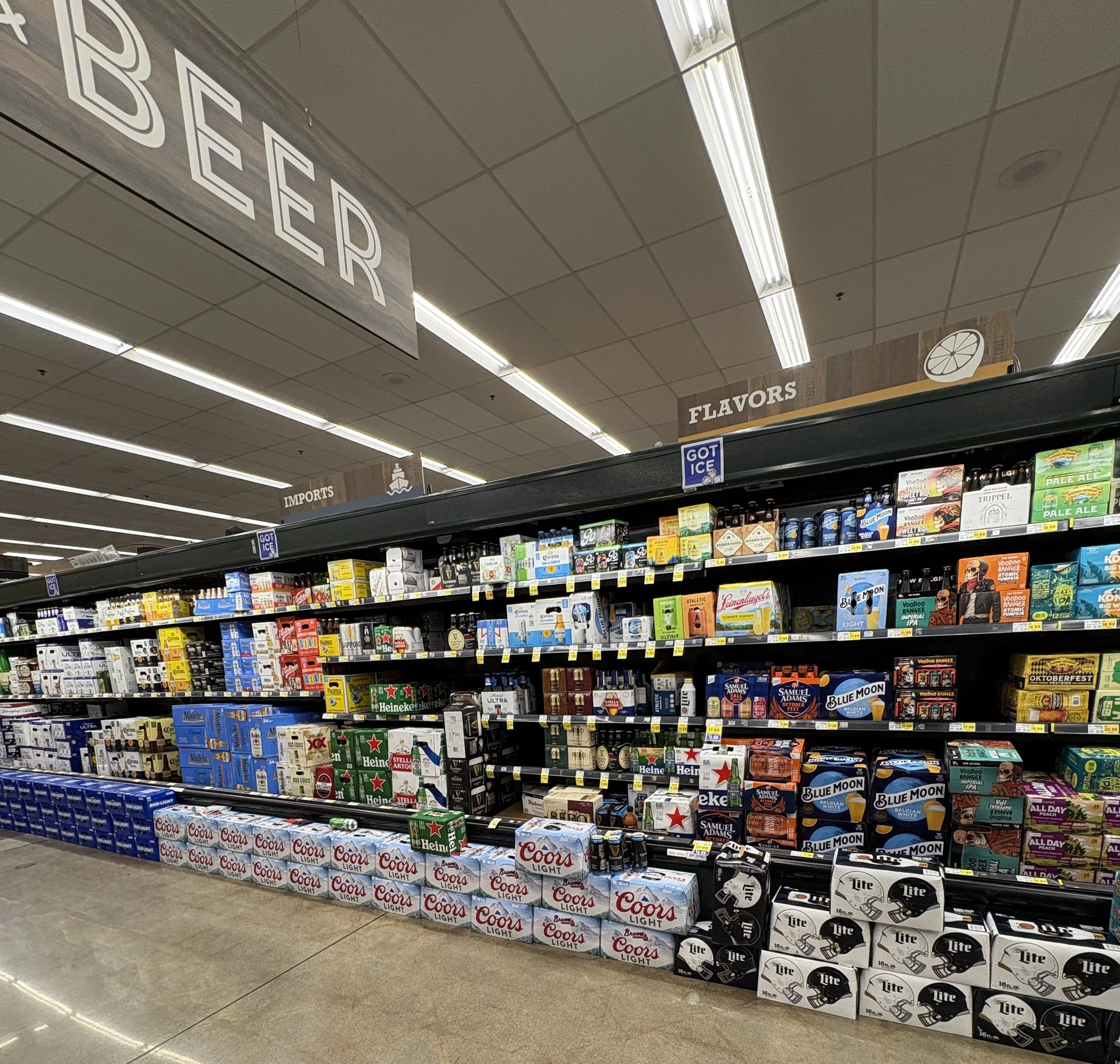
Sensory Best Practices: Sourcing Beer
Buying beer for sensory practice takes a little more strategy than grabbing the right style off the shelf. Learn how to check beer freshness, where to find packaging dates, how to decipher common date codes, and how old is too old for sensory evaluation.
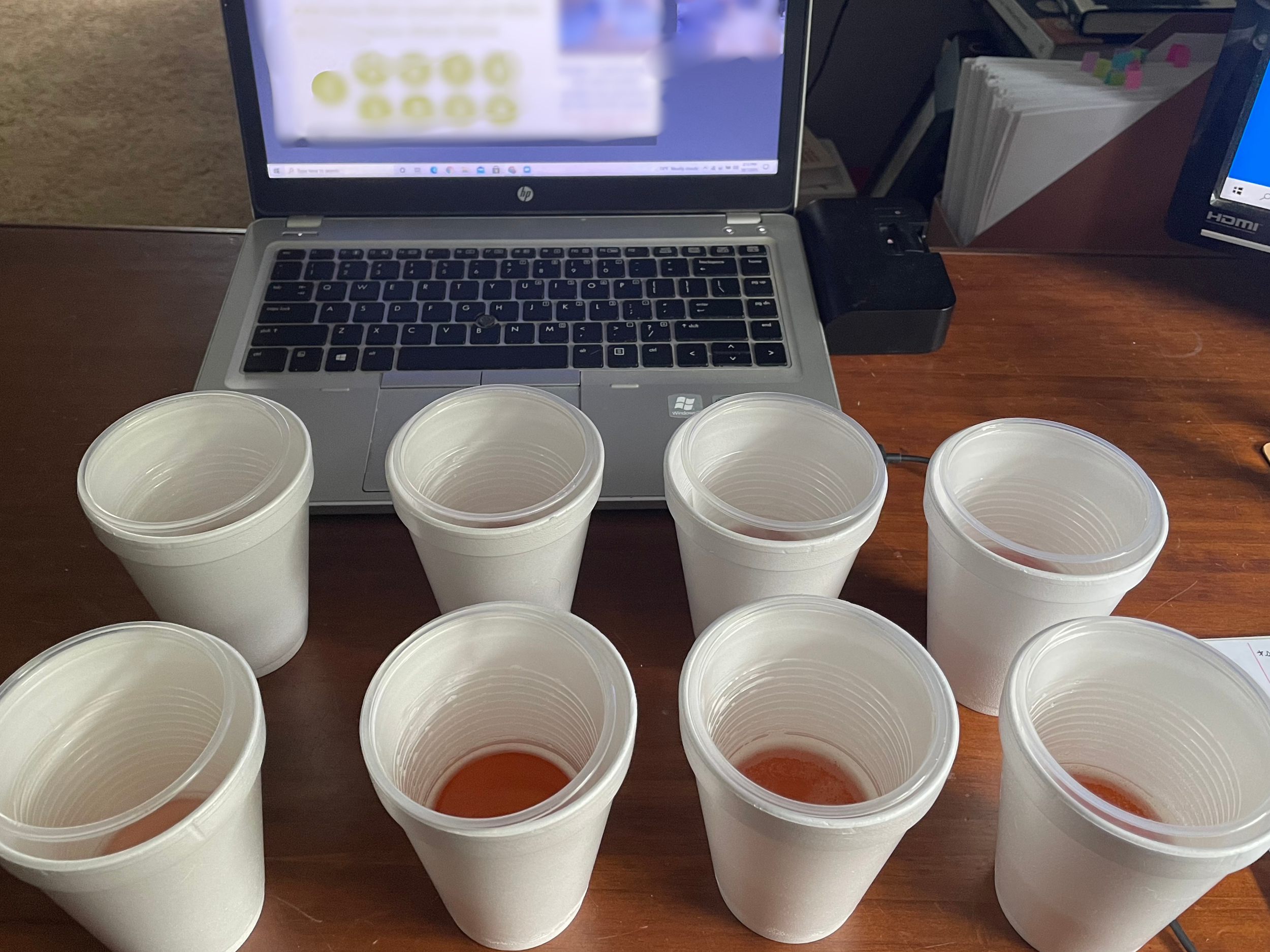
Sensory Best Practices: Solo Sensory Tasting
While it’s great if you have someone or someones in your life who is willing and able to assist with your sensory sessions, it’s not always the case that someone is available to assist. You don’t have to forgo a rich sensory session because you’re by yourself. This comes up most often when setting up blind beer tasting panels, because it’s hard to do a “blind” tasting when you’re the one preparing the samples.
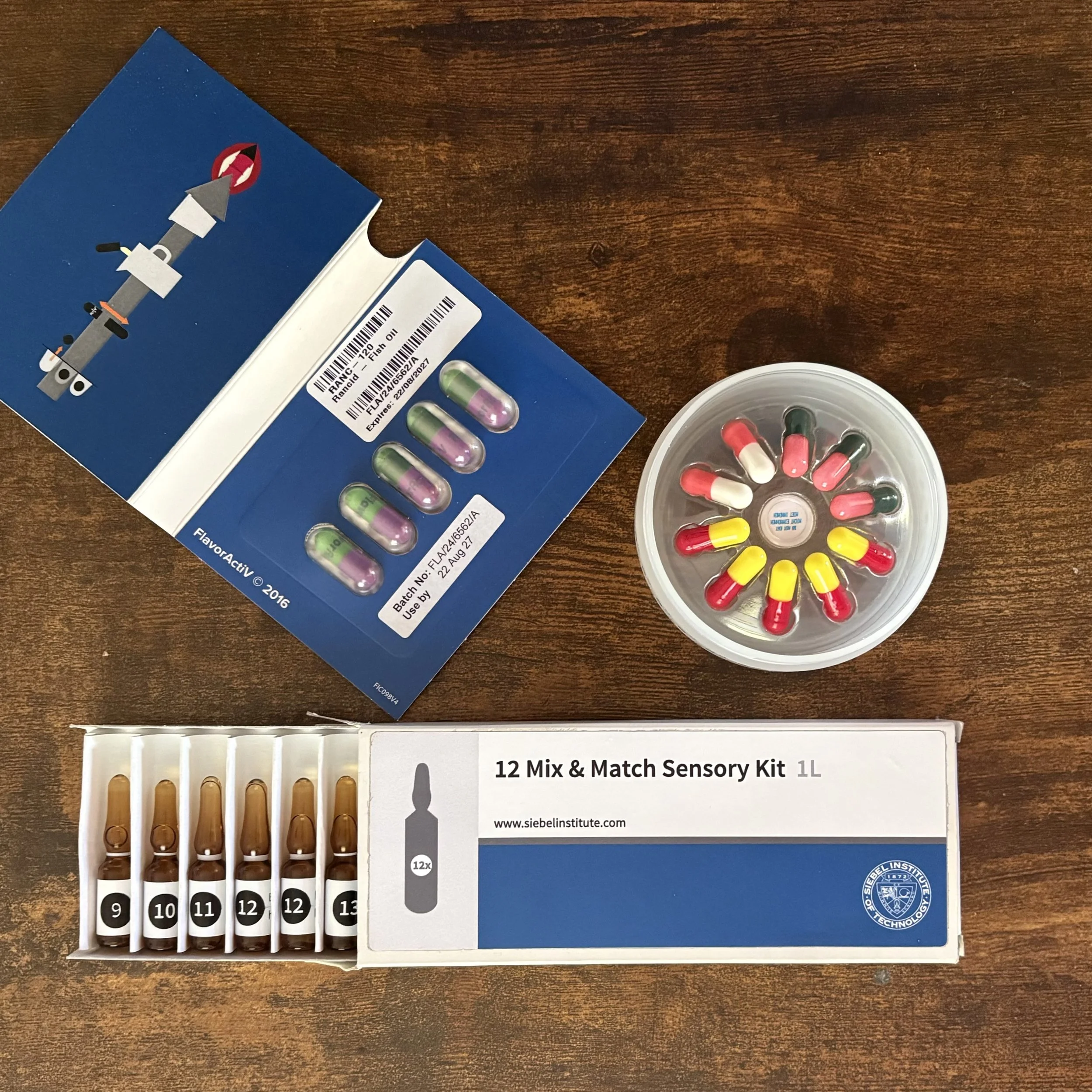
Sensory Best Practices: Preparing Flavor Standards
Flavor standards are a key element in learning to taste beer and improving your beer sensory skills, particularly for identifying off-flavors. However, not all flavor standards are created equal when preparing them. Understanding how to prepare different flavor standards properly will ensure that you are achieving the correct concentration.
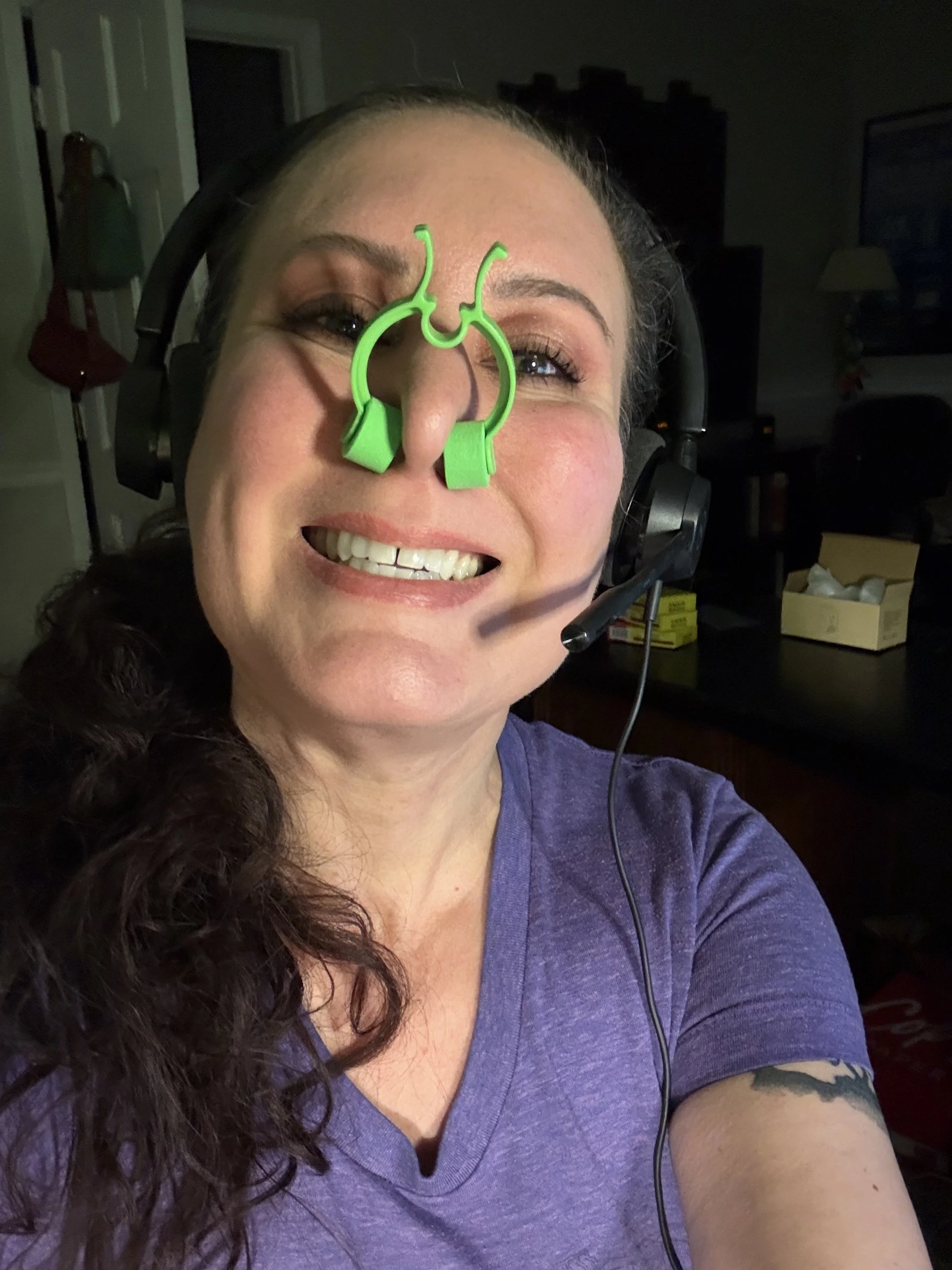
Sensory Best Practices: Clearing Stuffy Noses
Sensory advice for stuffy noses is probably not something a lot of us have thought about. That is, until we have a tasting exam, judging session, or other sensory exercise where we need our noses in tip-top shape. Whether from dryness or sickness, having a stuffy nose and/or clogged sinuses obviously affects your physical and mental ability to evaluate beer. In this post, I’ll talk about steps you can take to prevent or mitigate nasal stuffiness, as well as a couple of sinus-clearing exercises to try when our best efforts fail.
Sensory Best Practices: Random 3-Digit Codes
Using random 3-digit numbers for your beer sensory panels or beer tasting exam practice means that you’re not unconsciously biasing yourself or others. Random 3-digit codes allow for impartial evaluation.
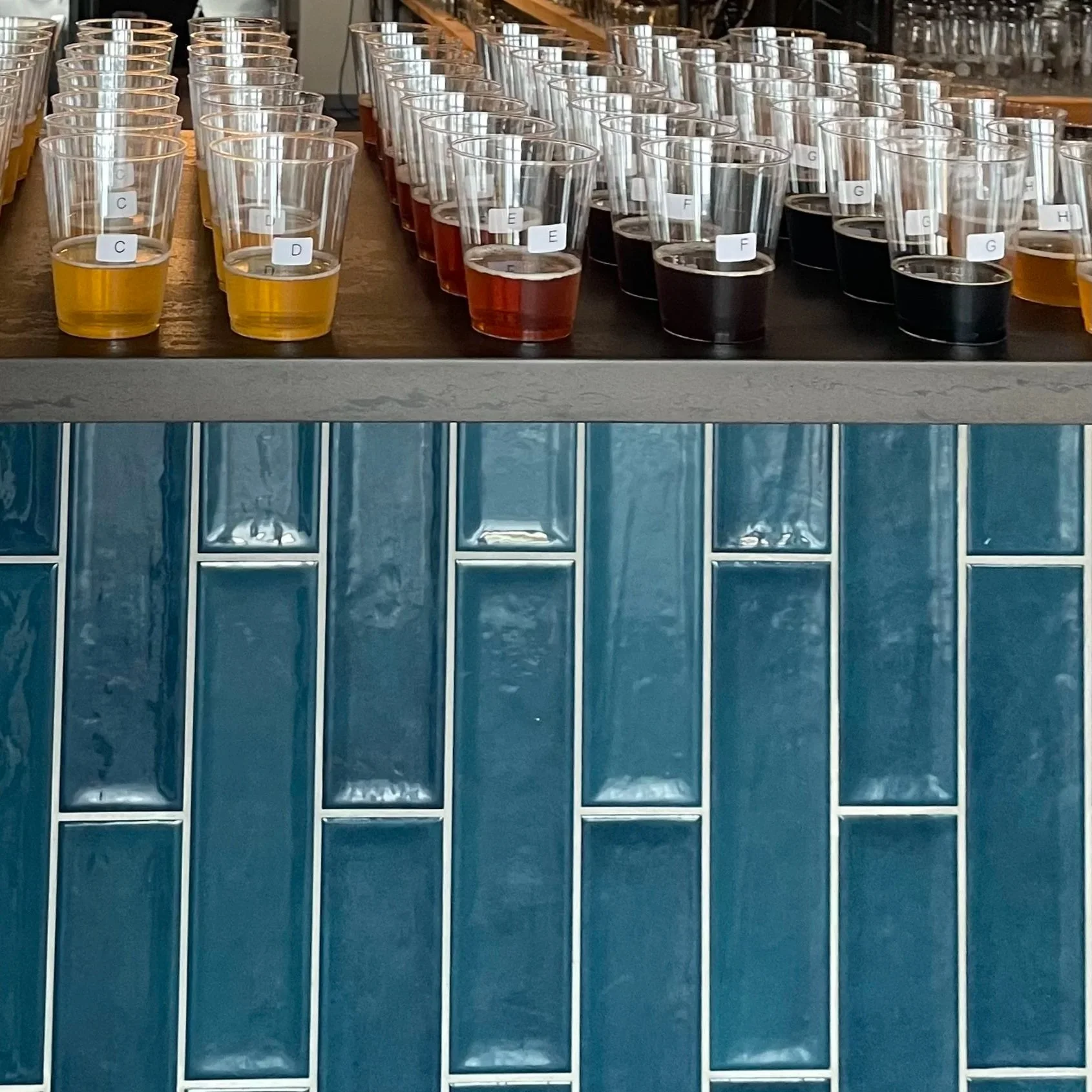
Sensory Best Practices: Cups
Cups are a necessary part of almost every sensory exercise. However, you can’t just grab any cup from the store, taproom, or cabinet. Selecting the proper cups for your sensory exercises is an often neglected element that can have a huge impact on sensory.
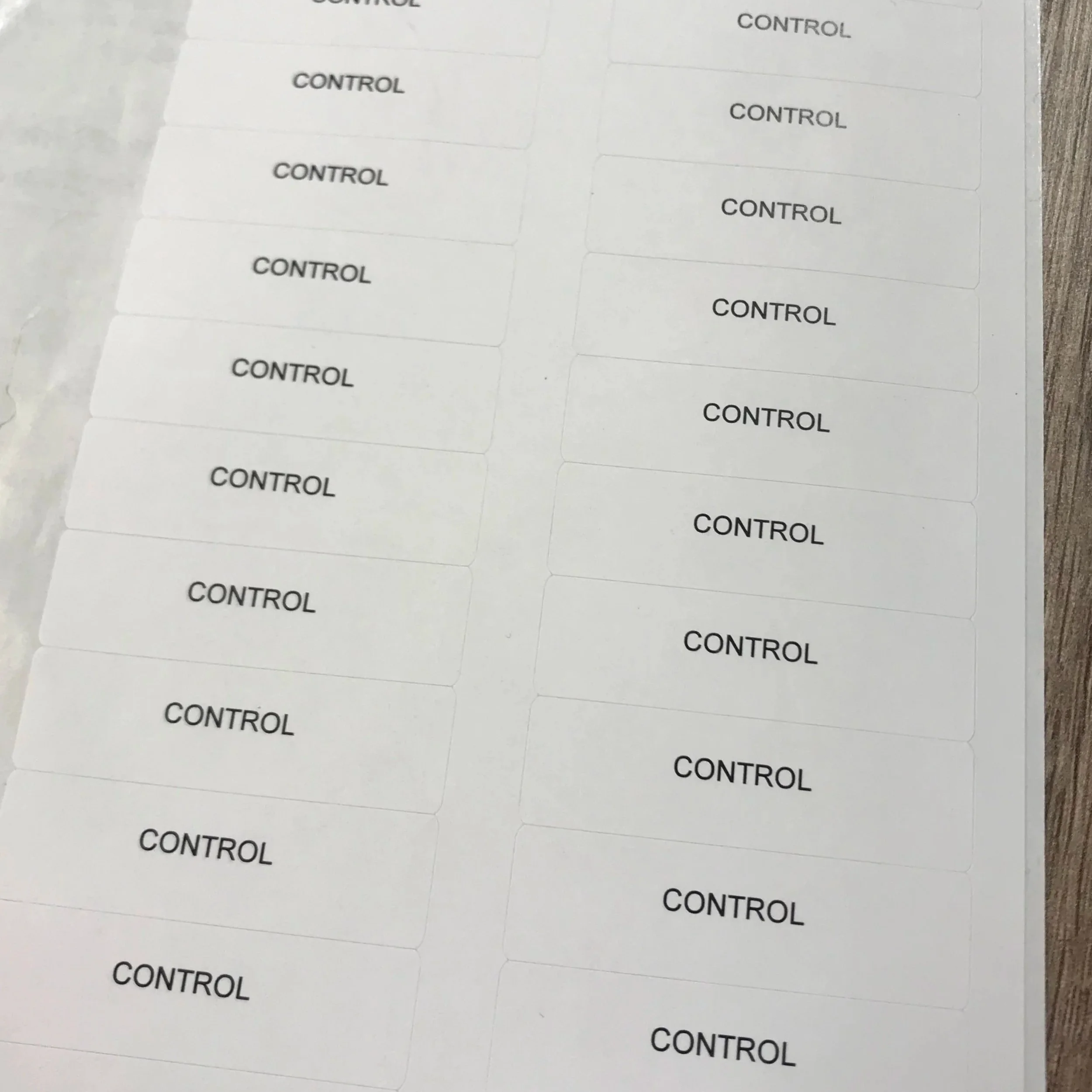
Sensory Best Practices: Labels
Believe me when I tell you that doing the preliminary work of making, printing, and affixing labels to cups and other things is the difference between a well-organized beer sensory session and a confusing mess.