
Welcome to Sensory as Strategy
Sensory training is more than memorizing flavor descriptors.
Sensory as Strategy is a growing library of practical exercises, methods, tools, and sensory science designed to help you understand how you perceive beer-and how to develop those skills intentionally.
Whether you’re studying for a beer certification, training a team, looking for a fun homebrew club activity, judging beer, or simply trying to become a more thoughtful taster, you’ll find approachable ways to explore perception, build sensory vocabulary, practice evaluation, and create better sensory sessions.
Inside Sensory as Strategy
Sensory Exercises: Learn by doing
Sensory Methods: Explore evaluation techniques
Sensory Best Practices: Set up better, more reliable sessions
Sensory Bias: Discover what shapes your perception
Sensory Tools: Put sensory knowledge into practice.
Sensory Science: Understand what your brain and senses are actually doing
Unlock Sensory as Strategy.
Monthly Access — $10/month
Flexible access to all premium content. Ideal if you want to start small or stay flexible.
Annual Access — $99/year (Best Value)
Full year of access for less. Includes all updates, posts, and resources with maximum savings.
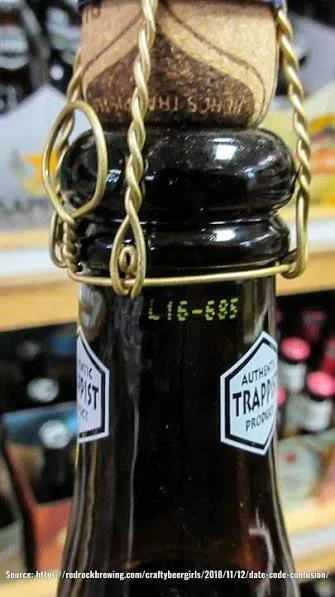
Sensory Tool: Julian Date Decoder
Found a Julian-style date code on your beer? Use this free Beer Julian Date Decoder to translate day-of-year codes into calendar dates and figure out how old your beer is.
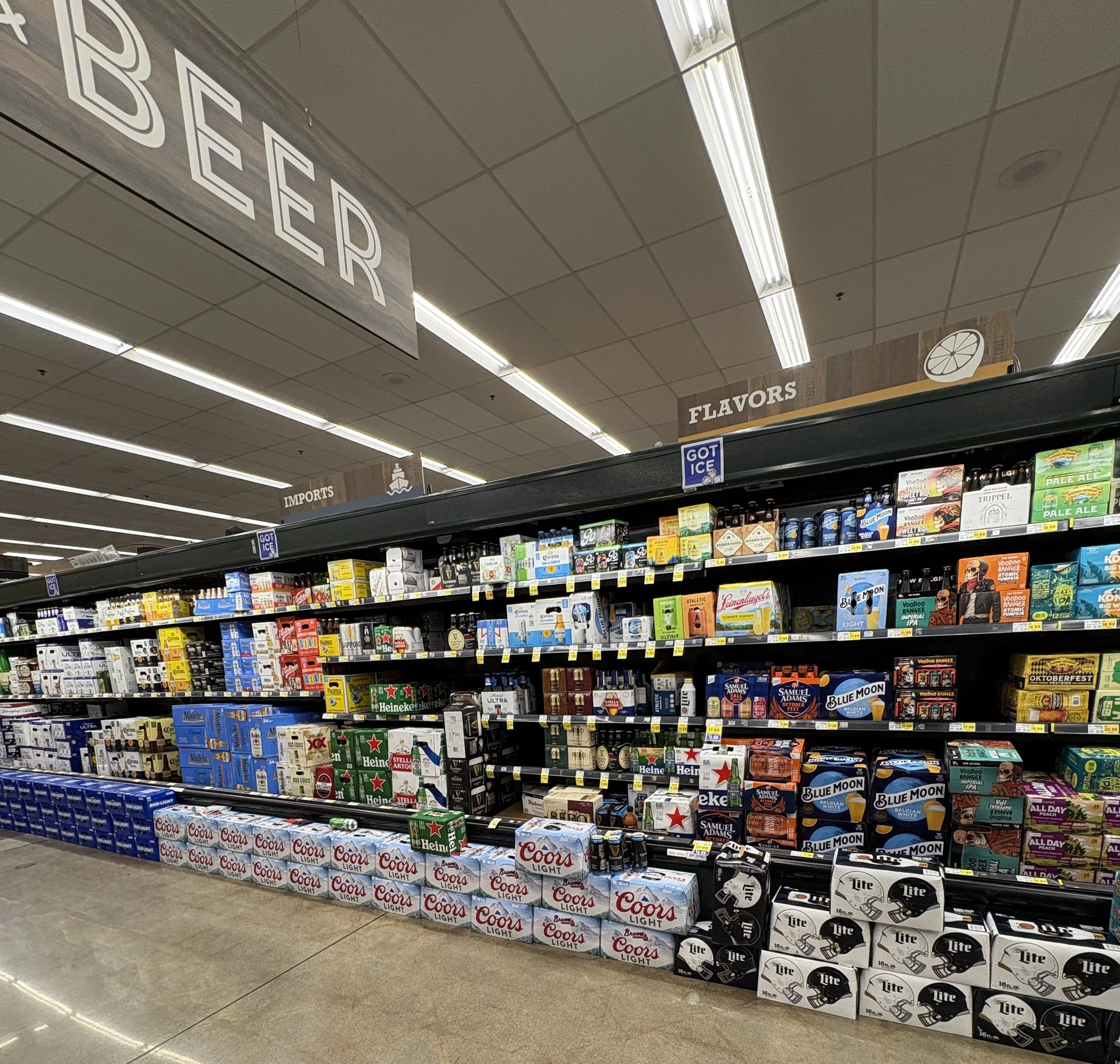
Sensory Best Practices: Sourcing Beer
Buying beer for sensory practice takes a little more strategy than grabbing the right style off the shelf. Learn how to check beer freshness, where to find packaging dates, how to decipher common date codes, and how old is too old for sensory evaluation.
Sensory Exercise: Descriptor Sprint
How many sensory descriptors can you name in three minutes? This quick exercise uses retrieval practice to build a more accessible flavor vocabulary.
Sensory Bias: Logical Error
What happens when what you expect to perceive starts shaping what you actually report? Logical error occurs when sensory evaluators assume that two characteristics must go together—sweet means fruity, dark means malty, bitter means hoppy. Learn how these mental shortcuts influence sensory evaluation and how to separate what you perceive from what you merely expect to be there.
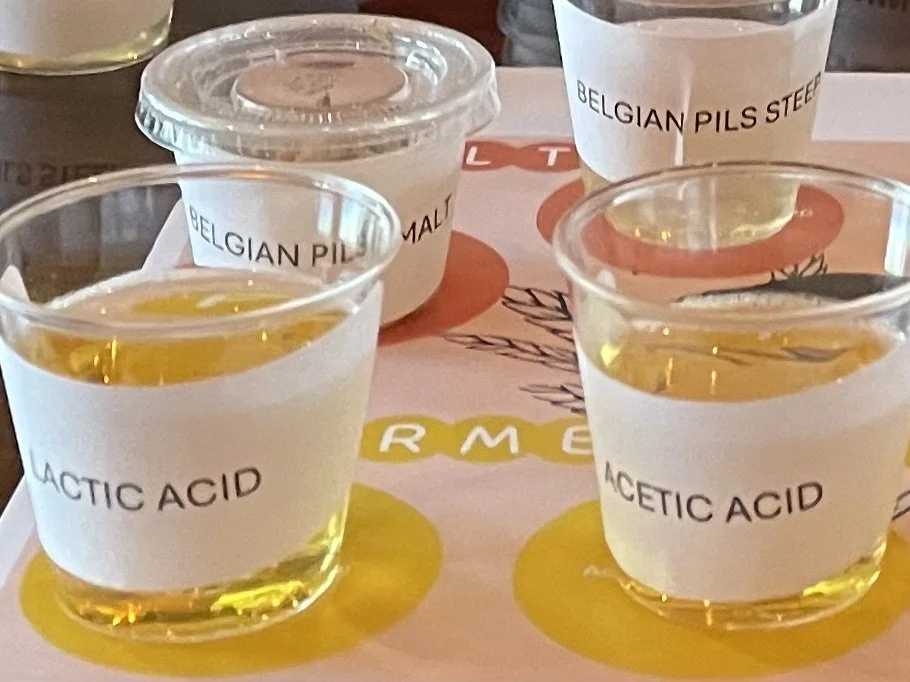
Sensory Exercise: Distinguishing Acetic from Lactic
One of the questions I get asked most often about palate training with flavor standards is how to distinguish acetic acid from lactic acid. This exercise demonstrates several methods and includes a DIY option.

Sensory Exercise: Perceived Bitterness Intensity Ranking
How accurately can you put bitterness in order? Learn how intensity ranking works, then put your palate to the test with five blind beer samples.
Sensory Exercise: Separating Bitterness from Astringency
We perceive bitterness chemically through our sense of taste. We perceive astringency physically through our trigeminal sense. While understanding that two different systems are working to detect bitterness and astringency is helpful in theory, the reality is that these sensations are still happening in one small area at the same time - our palates, namely our tongues.
It’s kind of like saying a snake is venomous, not poisonous. Nice to know, but that doesn’t really help you when you’re staring at a snake that looks like it wants to hurt you in one way or another.
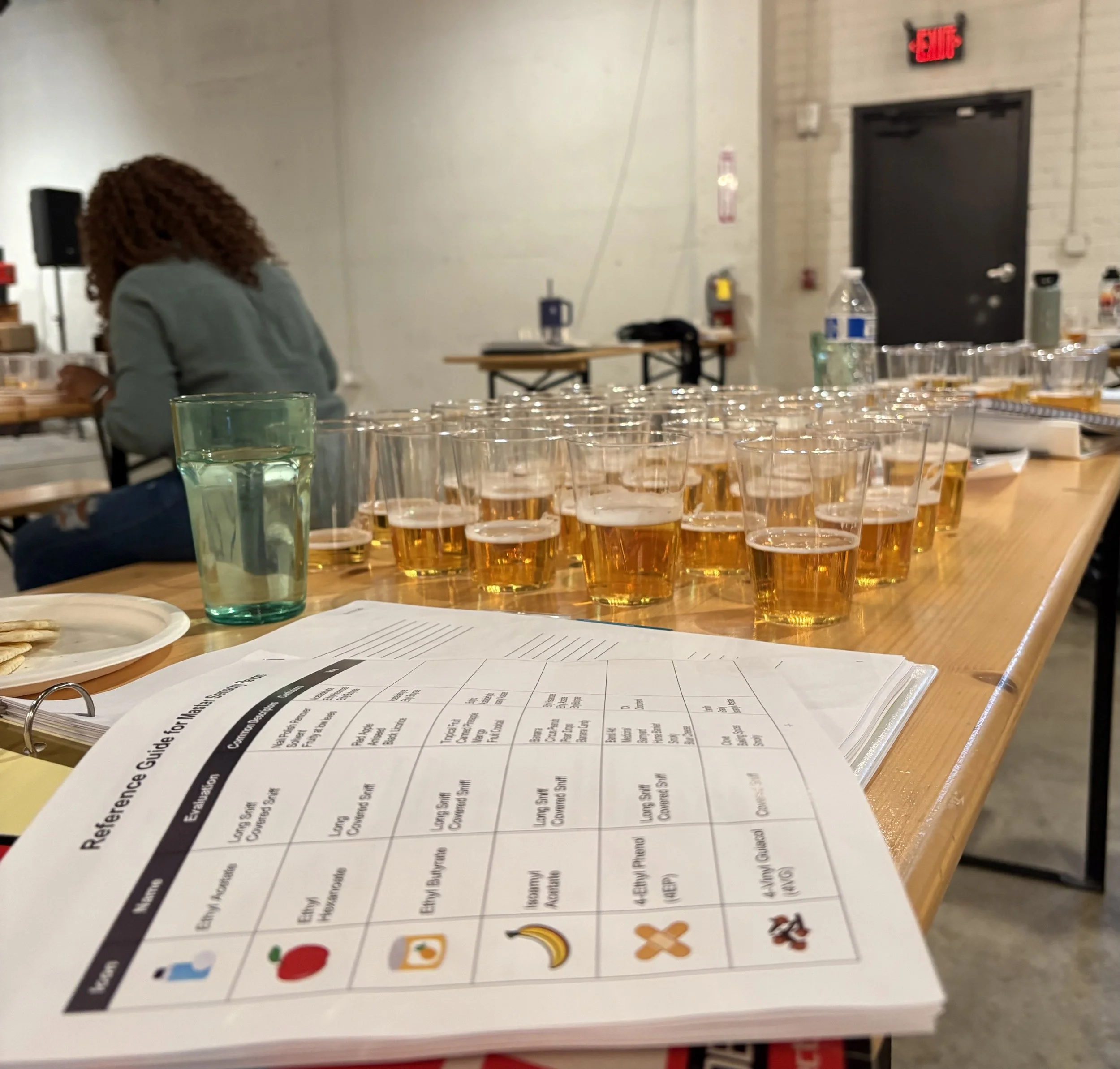
Sensory Exercise: Specific Anosmias
One of the most common refrains I hear when teaching off flavors is that someone thinks they must be anosmic to a flavor compound because they can’t detect it in their sample. Usually, anosmia is not the issue - the issue is the need for more flavor training. If you suspect you’re anosmic to a specific beer compound, such as diacetyl, the exercise below will help you determine whether you are.
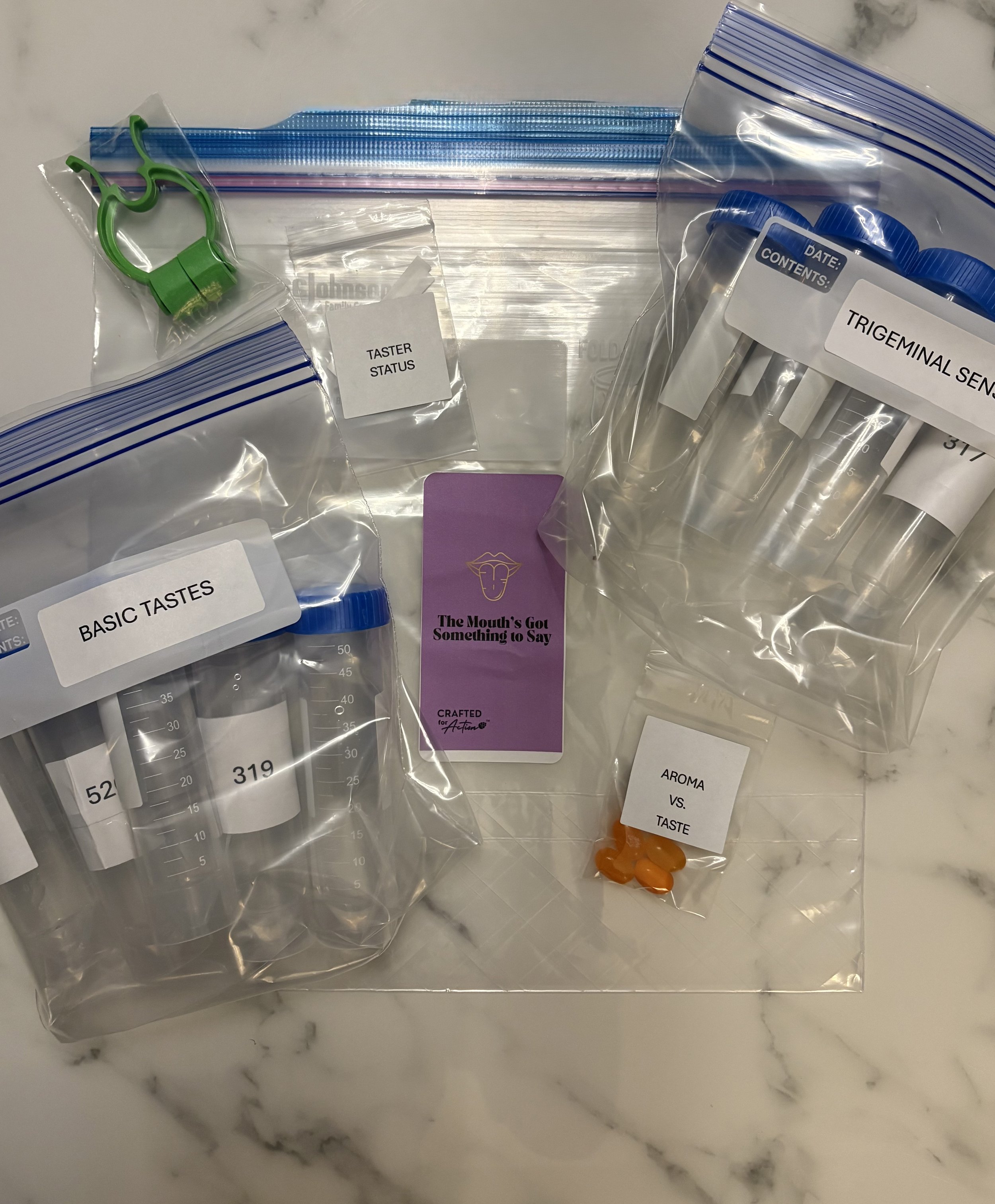
Sensory Exercise: Five Basic Tastes for Beer Evaluation
The five basic tastes exercise is designed to give participants a deeper understanding of their sense of taste and how those senses can be used in sensory evaluation. Learning more about our sense of taste gives us additional tools in our sensory evaluation toolbox.
When we use sensory exercises to develop our palates, particularly by building our aroma recognition and descriptive vocabulary, our sense of smell takes center stage. Arguably, it is the most complex and nuanced component of beer - and most consumables, for that matter. I have to admit, it was only a couple of years ago that I started to realize how helpful and important it is to pay attention to other parts of my palate, specifically my sense of taste and my trigeminal sense, both of which contribute to the concept of mouthfeel.
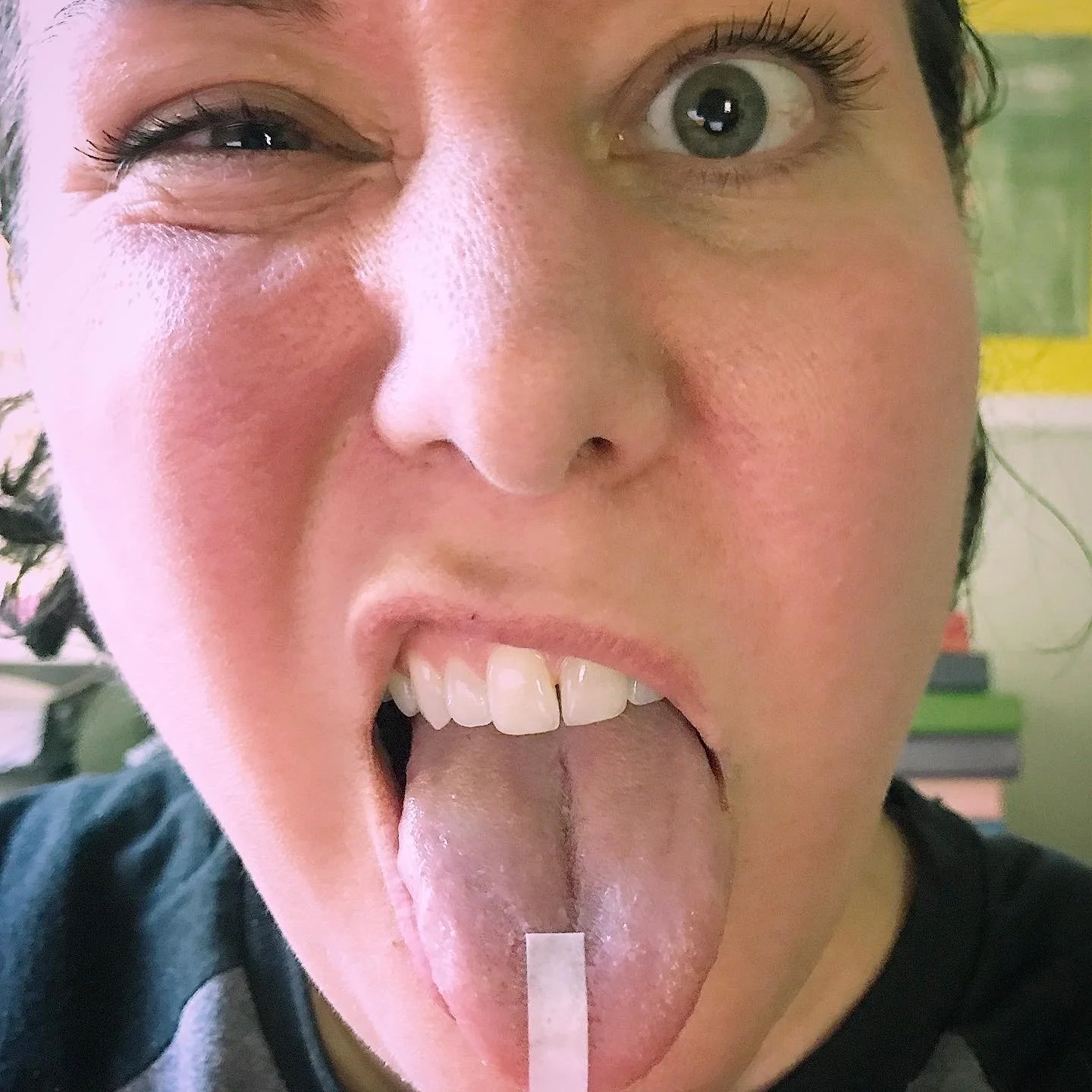
Sensory Exercise: Determining Taster Status
Explaining how bitterness works as a taste sense, how it appears in beer, and how we perceive it is one of my favorite sensory exercises to do. People come away with new knowledge not only about bitterness, but also about their palates and how they perceive bitterness. This is a super easy exercise to set up that also scales fabulously for large groups, so it is low-effort, high-reward for you as the organizer and for the participants.
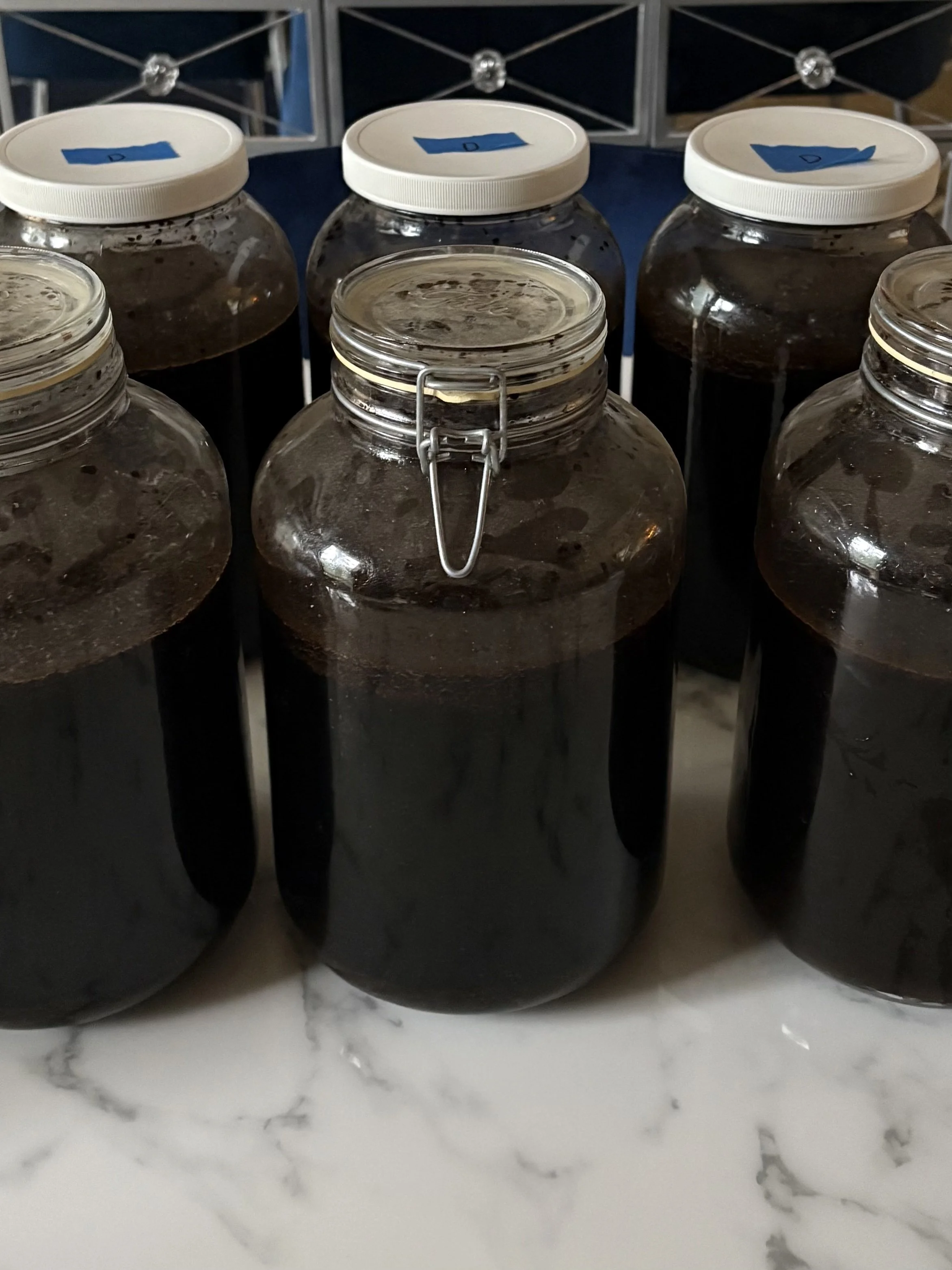
Sensory Method: Cold Water Steep for Dark Grains
Okay, technically, this is a brewing technique and not a sensory technique. However, it is also an effective method for preparing malt steeps from dark grains, especially for a large group.
The cold water extraction technique was developed in the early 2000s by Mary Anne Gruber during her time as the Director of Technical Services for Briess Malting Company.
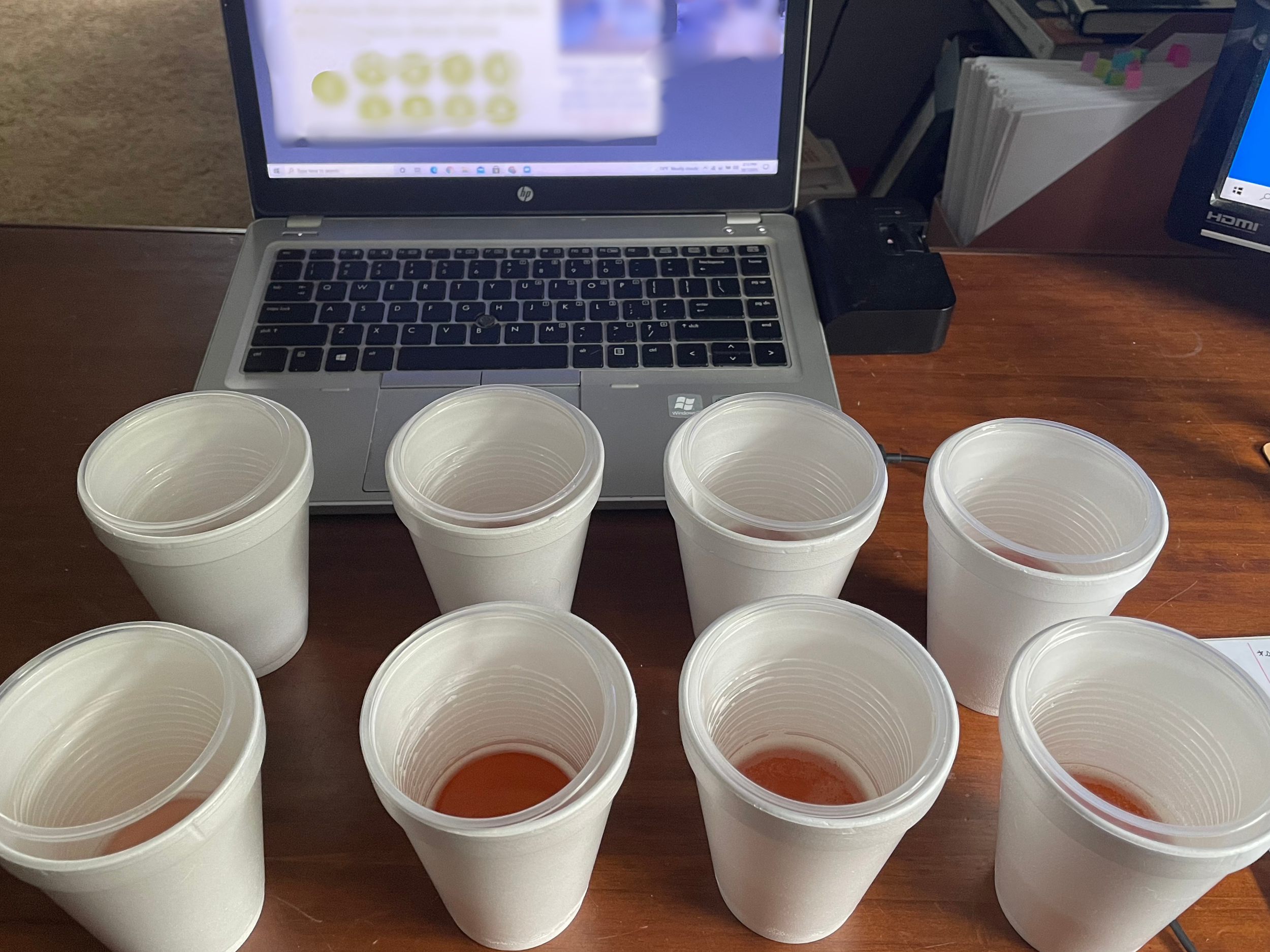
Sensory Best Practices: Solo Sensory Tasting
While it’s great if you have someone or someones in your life who is willing and able to assist with your sensory sessions, it’s not always the case that someone is available to assist. You don’t have to forgo a rich sensory session because you’re by yourself. This comes up most often when setting up blind beer tasting panels, because it’s hard to do a “blind” tasting when you’re the one preparing the samples.
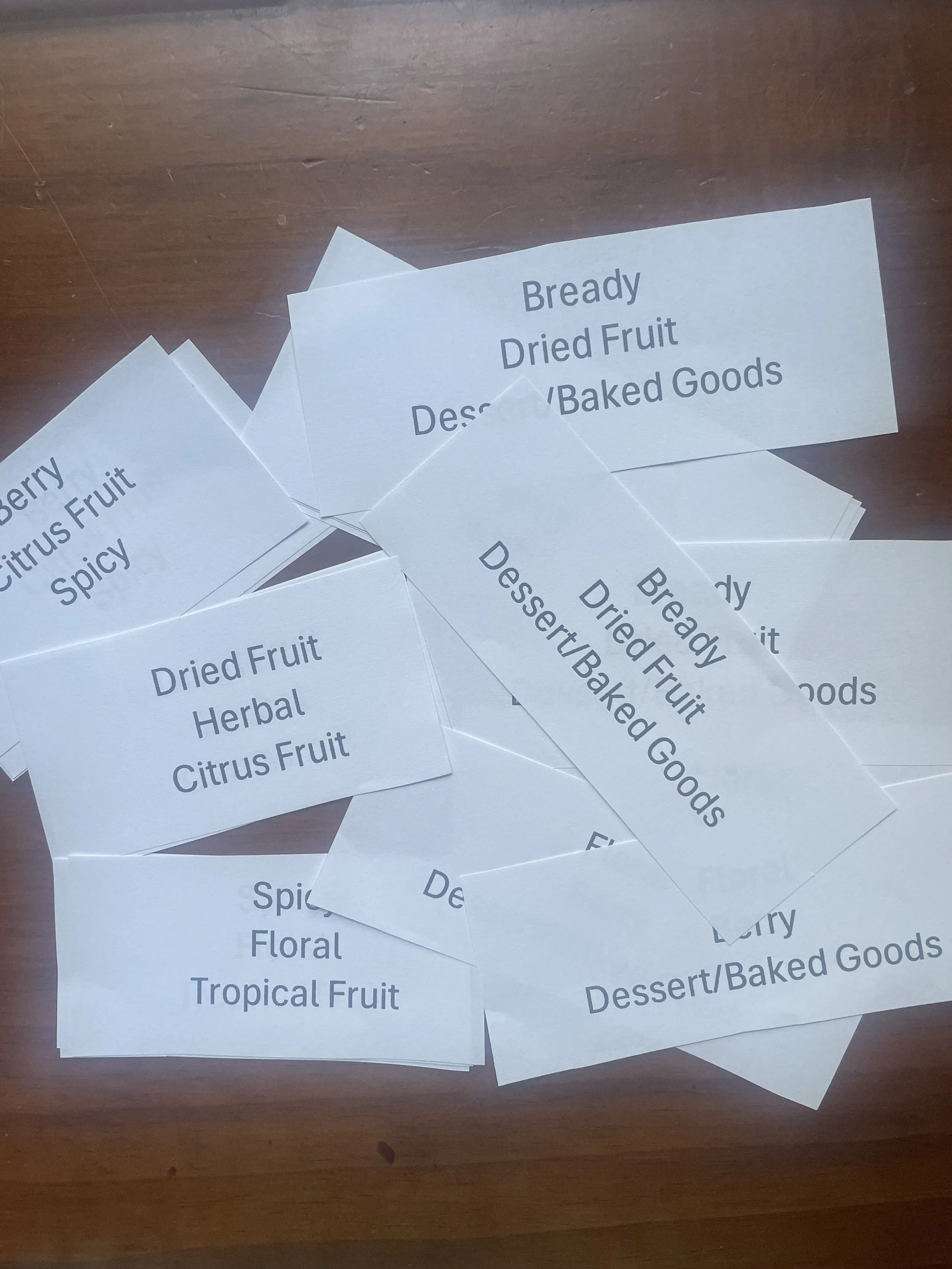
Sensory Exercise: Vague to Vivid
The Vague to Vivid exercise is a fun and easy sensory exercise for a variety of group sizes and skill levels.
Sensory Tool: Sensory Session Calculator
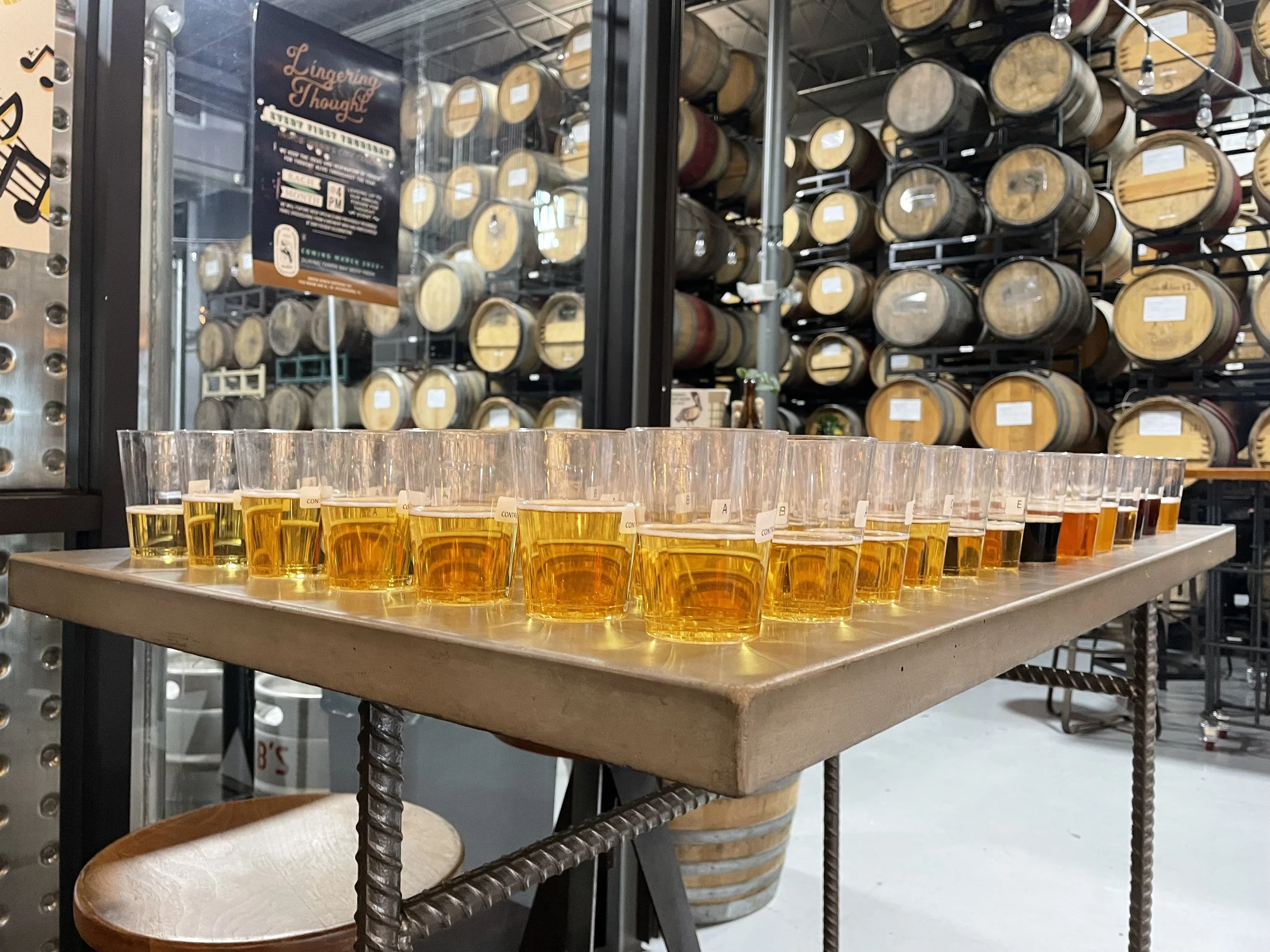
Knowing how much beer to buy and how many cups you’ll need for a beer sensory exercise can be overwhelming. Here you will find calculators for beer volume, cups needed, and more. Great for group beer sensory and beer palate training at home!
Sensory Exercise: Miracle Berries
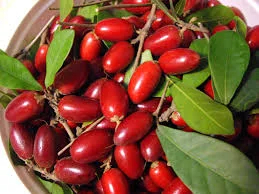
Miracle berries are a fun, inexpensive sensory exercise for everyone - no formal palate training or sensory knowledge needed. I often recommend miracle berry tablets to people looking for a quick, pretty low-effort sensory exercise that requires few supplies.
Sensory Exercise: The Jen Blur Method
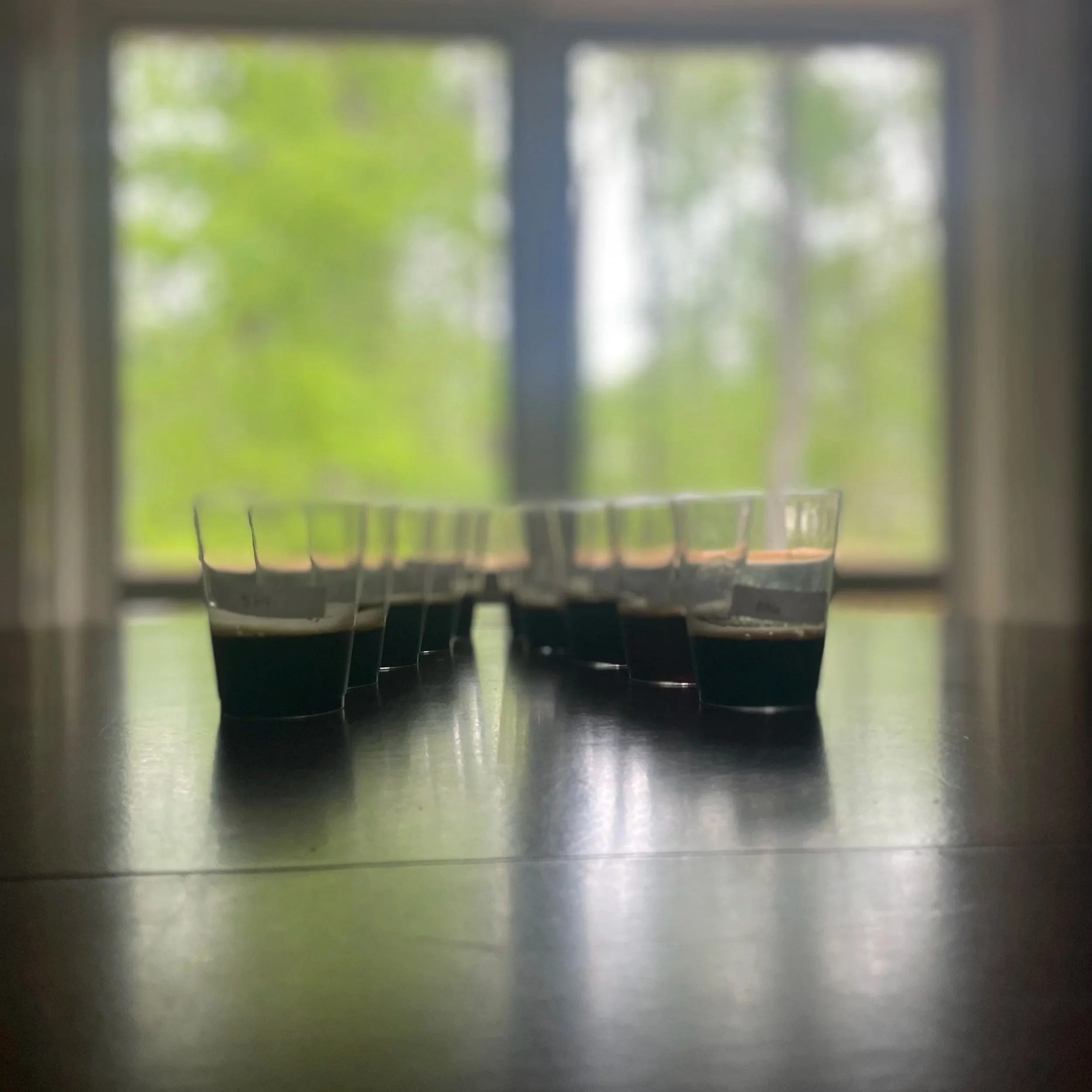
The Jen Blur Method is a great beer sensory exercise that not only builds your beer style discrimination skills but also helps you become a more confident blind beer taster. The Jen Blur Method can be adapted to varying skill levels, from those looking to train their palates for beer tasting to those preparing for beer exams such as the Cicerone or BJCP tasting exams.
Sensory Exercise: Jelly Bean Test
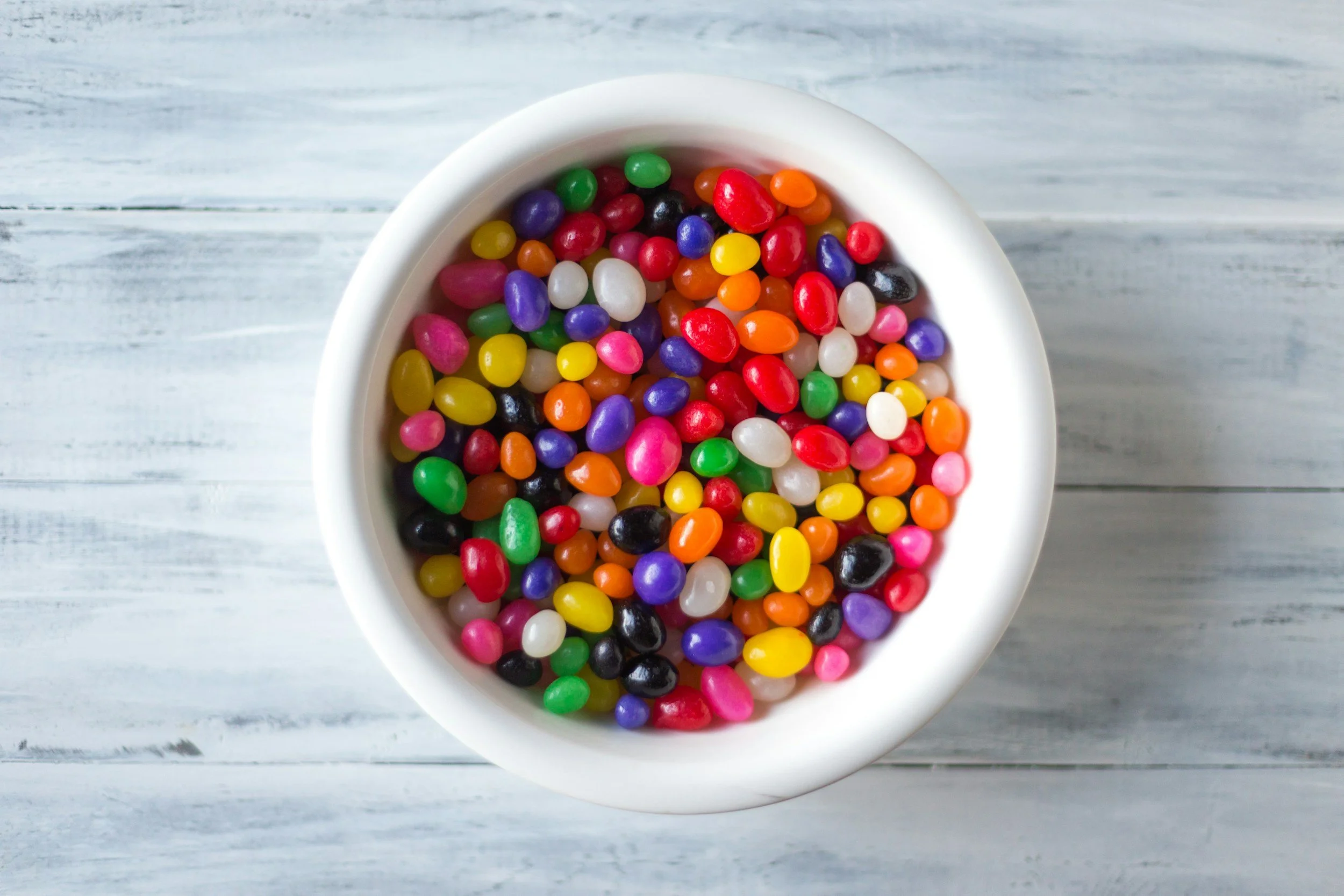
The jelly bean test is a quick and simple sensory exercise designed to demonstrate the difference between orthonasal and retronasal olfaction. Understanding how orthonasal and retronasal olfaction are different is a foundational key to becoming a better beer taster.
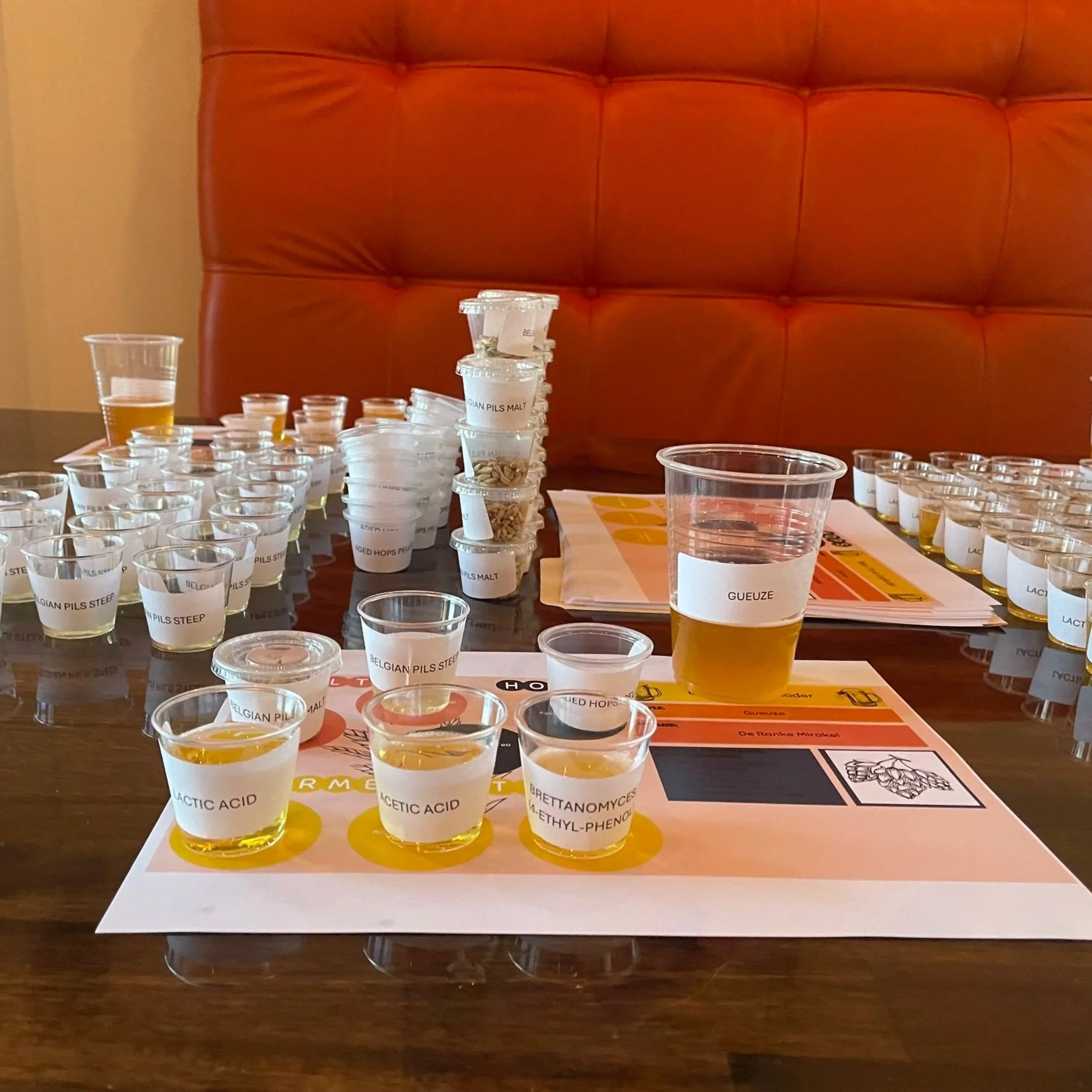
Sensory Exercise: Beer Style Exploder
Tell the story of beer, piece by piece.
The beer style exploder is a sensory exercise designed to give you a deeper understanding of the flavors of individual beer ingredients and how those ingredients come together in the finished beer.
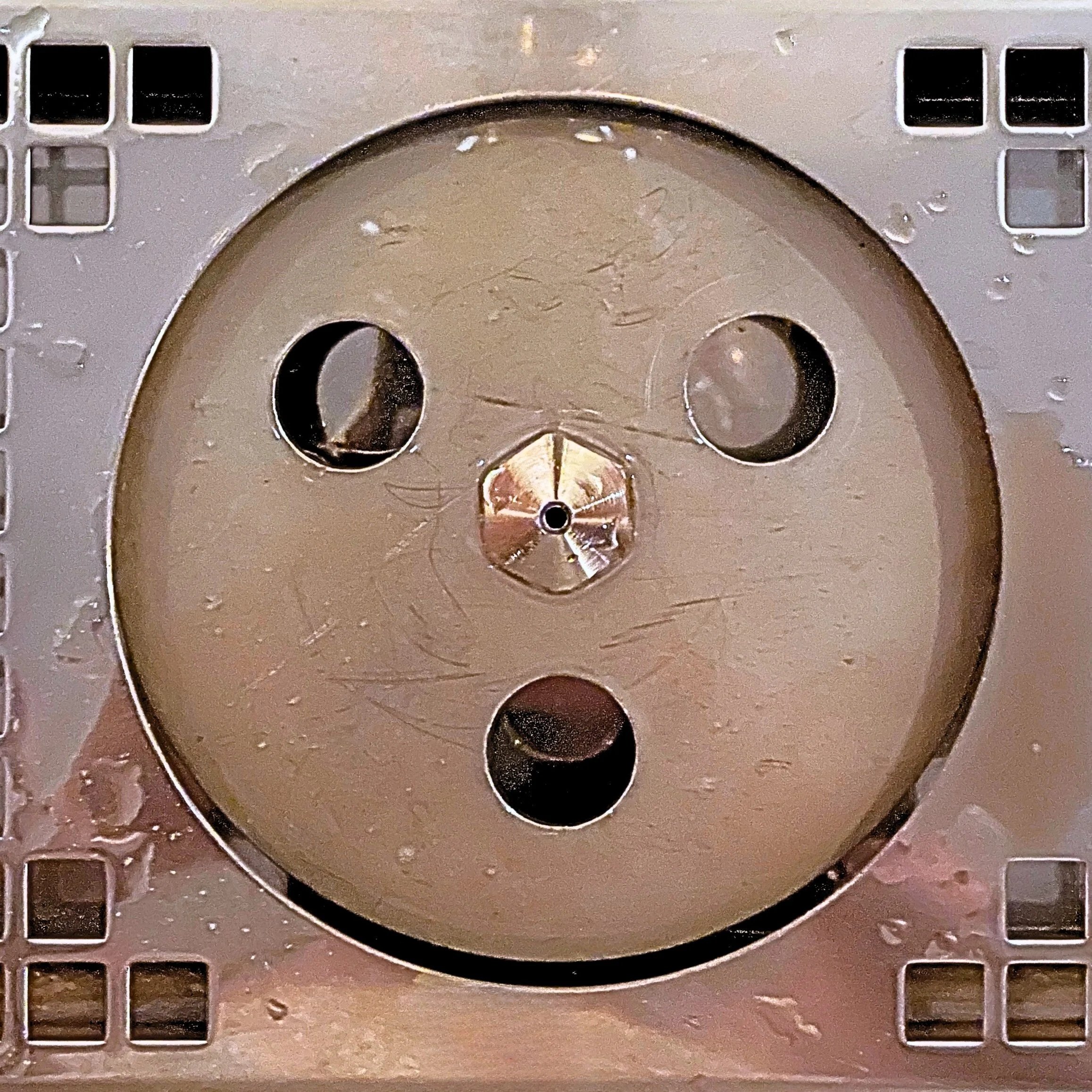
Sensory Exercise: Glass Rinsers
Every glass, every time. Properly cleaned glassware enables properly poured beers. A hallmark of a great beer program is a team that consistently creates and fills beer-clean glasses.
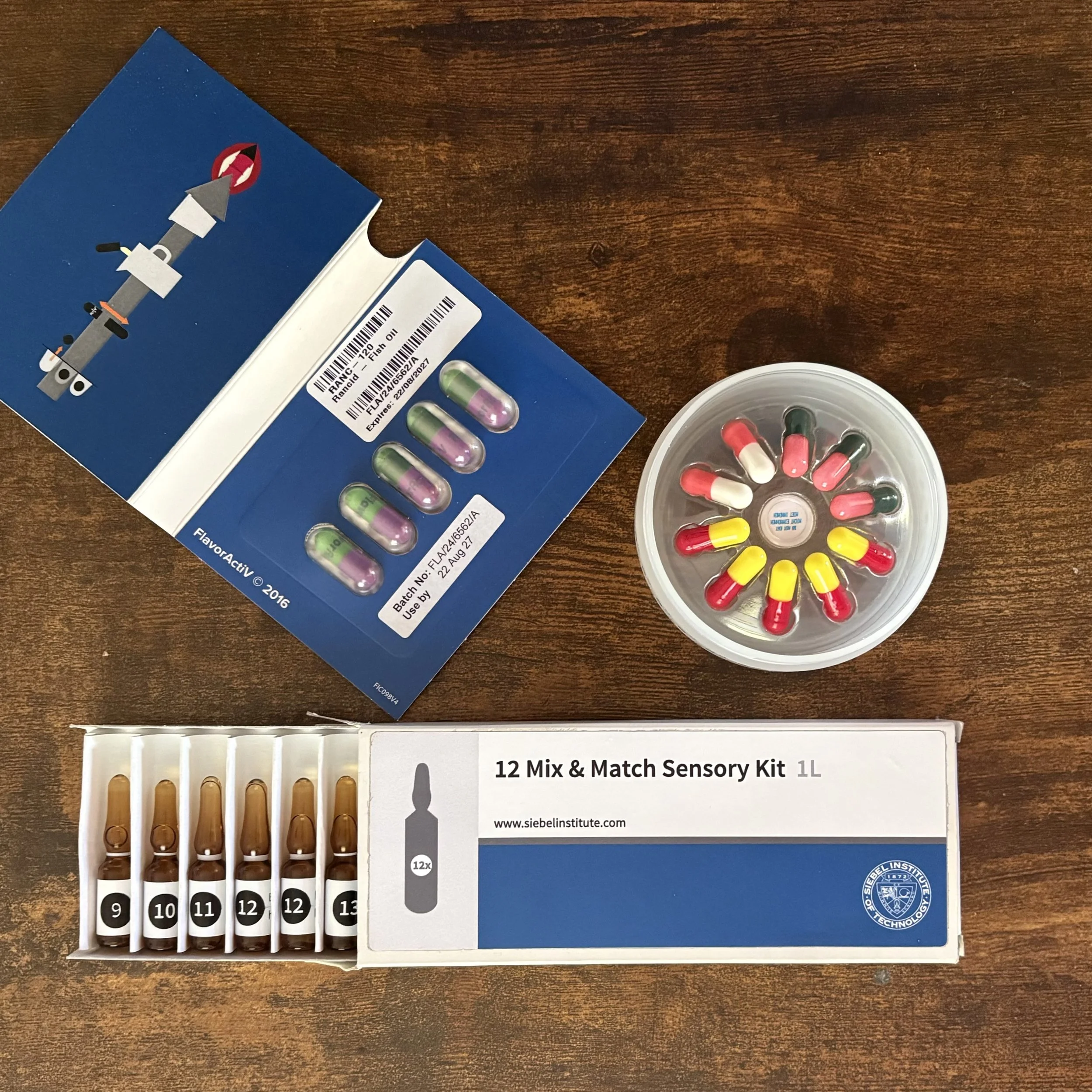
Sensory Best Practices: Preparing Flavor Standards
Flavor standards are a key element in learning to taste beer and improving your beer sensory skills, particularly for identifying off-flavors. However, not all flavor standards are created equal when preparing them. Understanding how to prepare different flavor standards properly will ensure that you are achieving the correct concentration.