Decoction Mashing
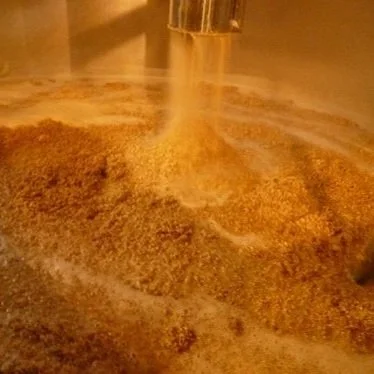
Decoction mashing is removing part of the mash, boiling it, and then returning it to the main mash, which is held at a constant temperature.
Noble Hops
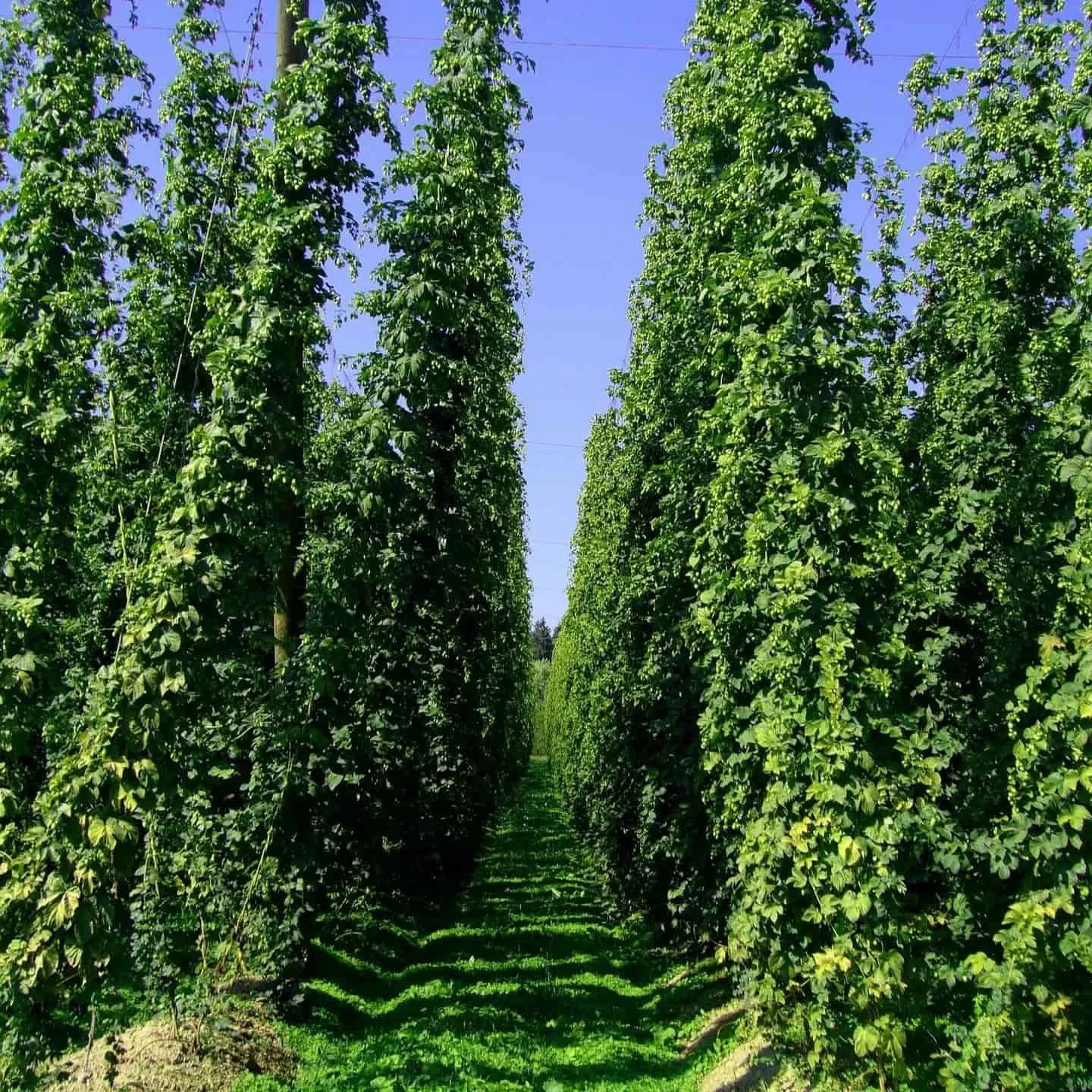
Four varieties of hops known for their delicate, elegant, herbal, and floral aromas as well as being the products of their terroir, which is their history of having been grown in and having adapted to their home territories.
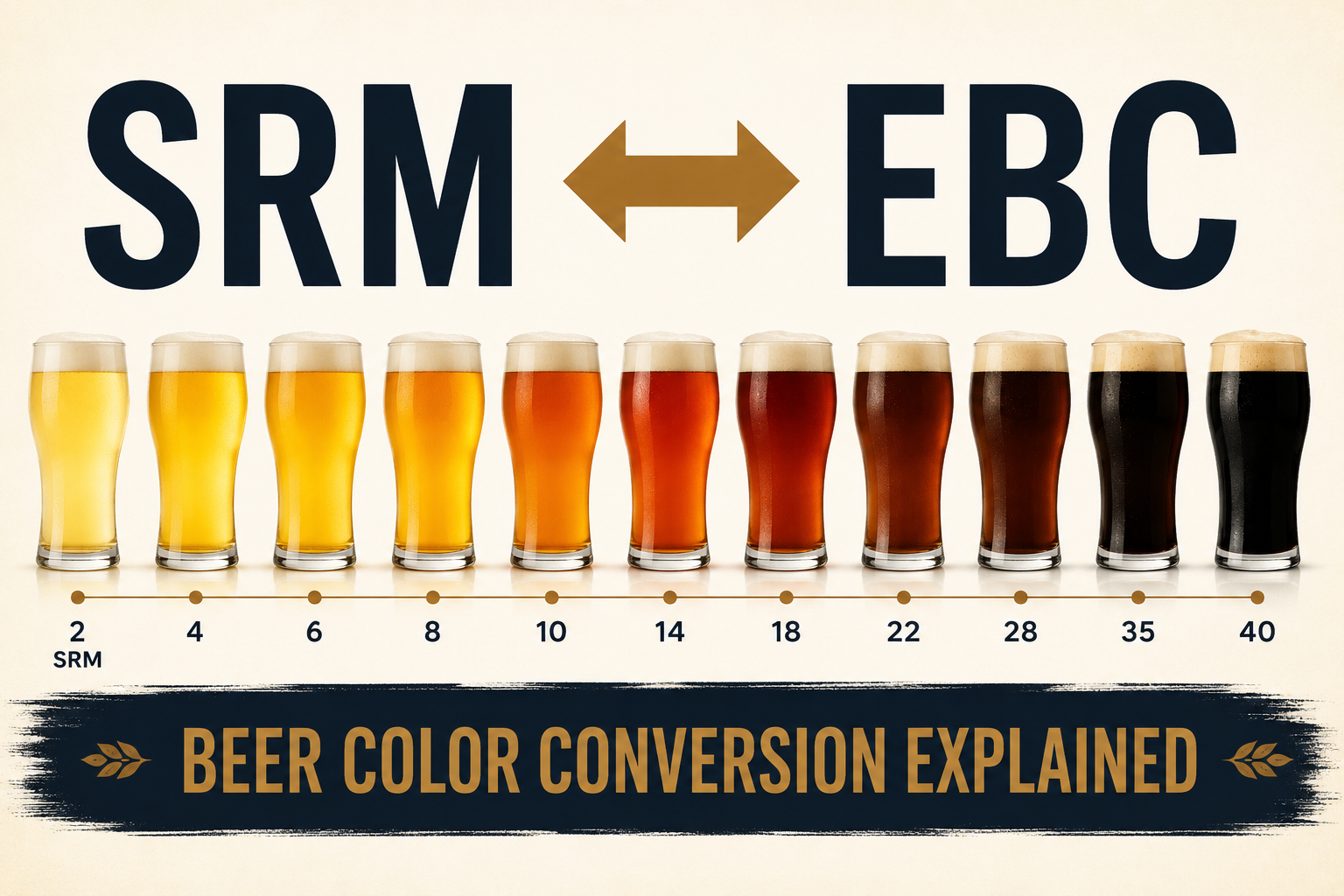
SRM vs. EBC: What's the Difference Between Beer Color Scales?
Learn the difference between SRM and EBC beer color scales, how to convert between them, why the values differ, and how brewers and beer judges use both systems to evaluate beer color. This blog post will teach you what SRM and EBC mean in beer, how SRM is different from EBC, and how to convert between SRM and EBC. It includes a color comparison chart.


Christmas Ales
A catch-all given to special beers made for Christmas and New Year celebrations. These ales are typically higher in alcohol (5.5%-14%) and are distinguished by the inclusion of dark flavored malts, spices, herbs, and fruits.


The Volstead Act
The Volstead Act was passed by Congress on October 28, 1919, to provide for the enforcement of the 18th Amendment, more popularly known as the Prohibition Amendment.
Three Threads
A beer drunk in 18th century London made up of three types of beer, commonly pale ale, mild (fresh brown beer), and stale (matured brown beer).
Candi Sugar
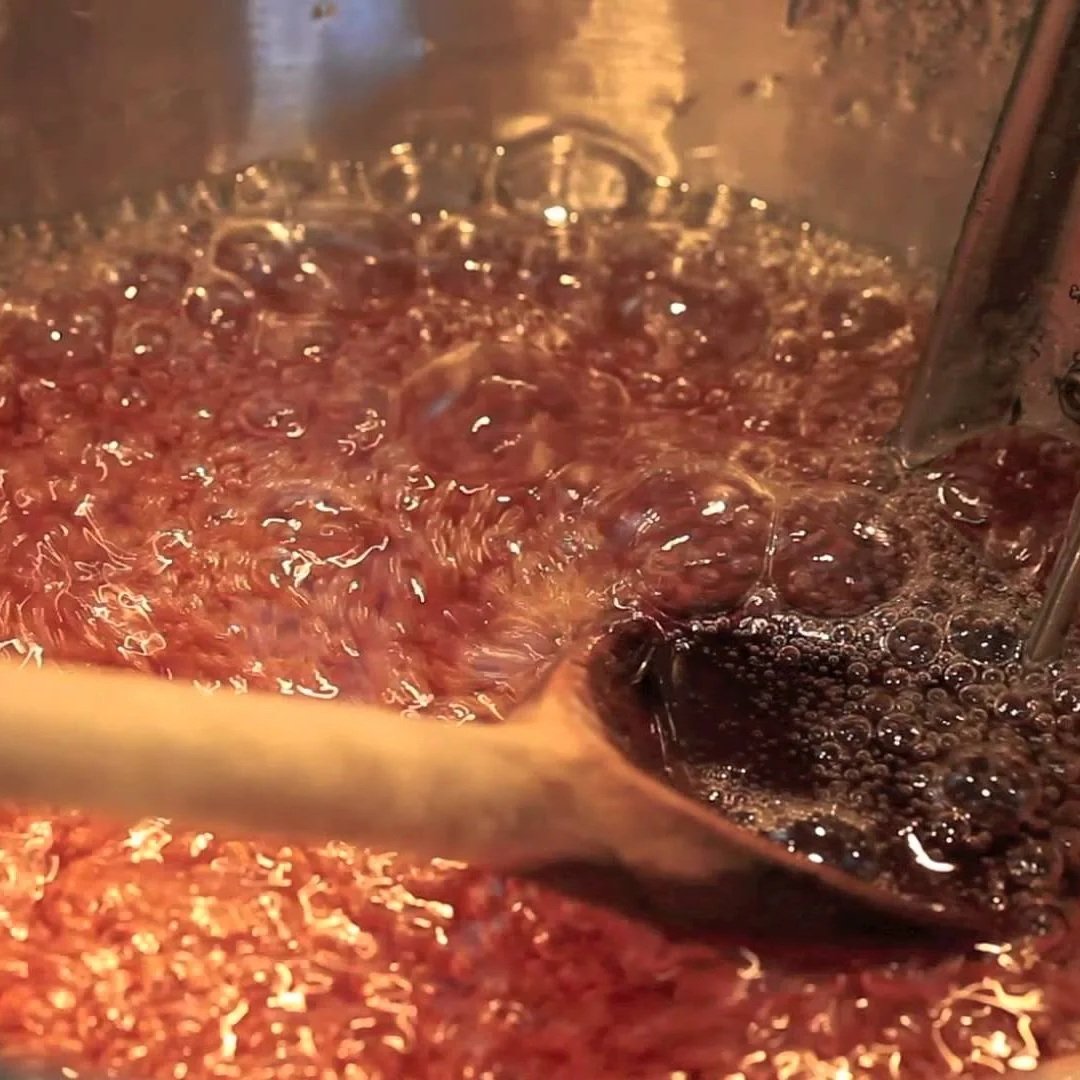
An adjunct commonly used in Belgian beer. Candi sugar can range from light to dark and is typically used in a liquid form by heating beet sugar with water and salts to caramelize the sugar. Many homebrewers use candi sugar in crystallized, hard candy form.
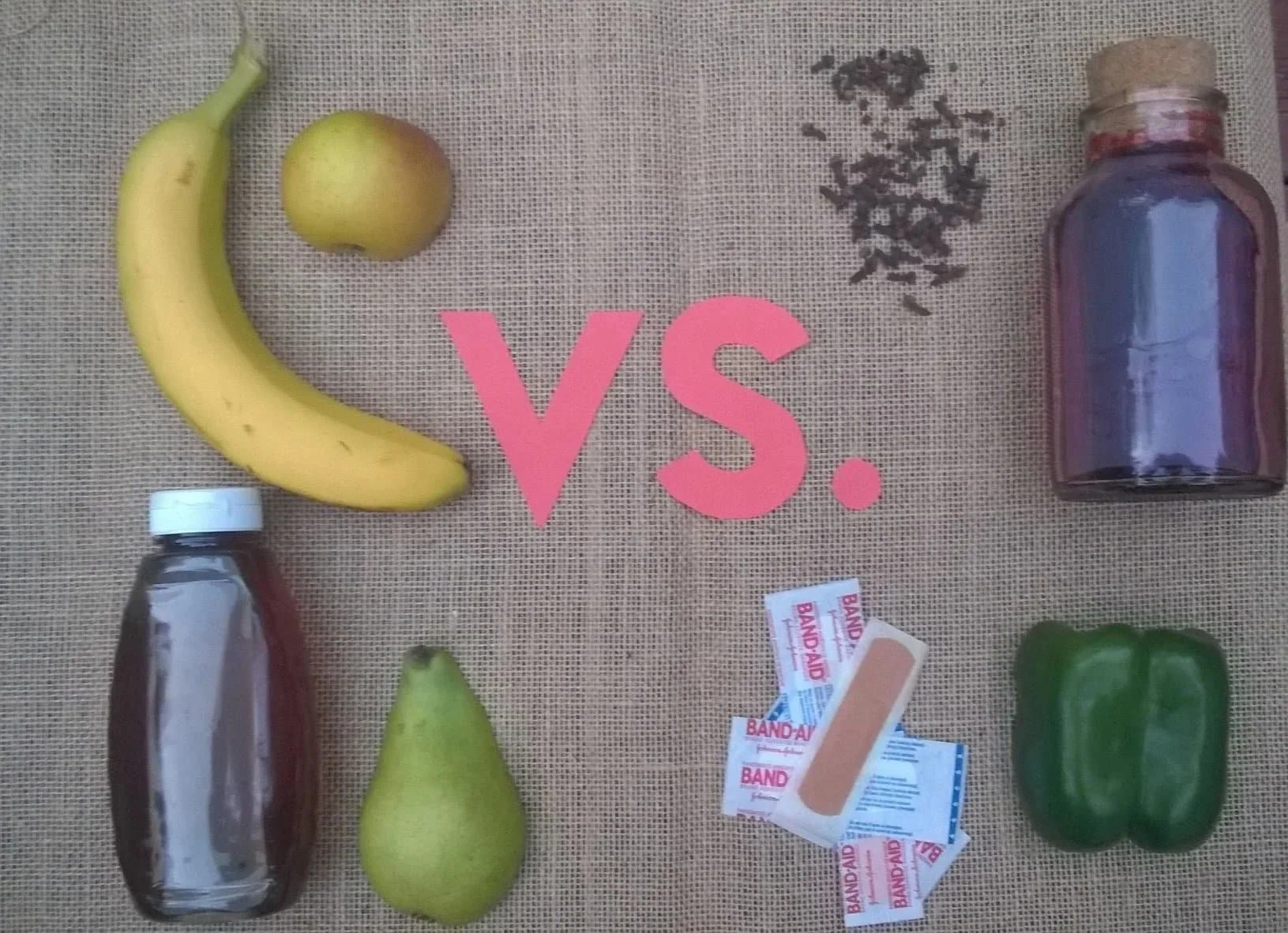
Esters v. Phenols
Generally, esters are fruity and usually desirable, whereas phenols are spicy and usually undesirable.
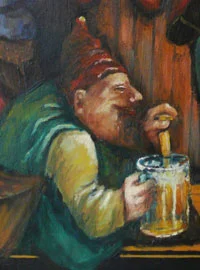

Tied House
A tavern or bar where the owner is required to purchase some or all of its products from a single manufacturer.