
Unlock Sensory as Strategy.
Monthly Access — $10/month
Flexible access to all premium content. Ideal if you want to start small or stay flexible.
Annual Access — $99/year (Best Value)
Full year of access for less. Includes all updates, posts, and resources with maximum savings.
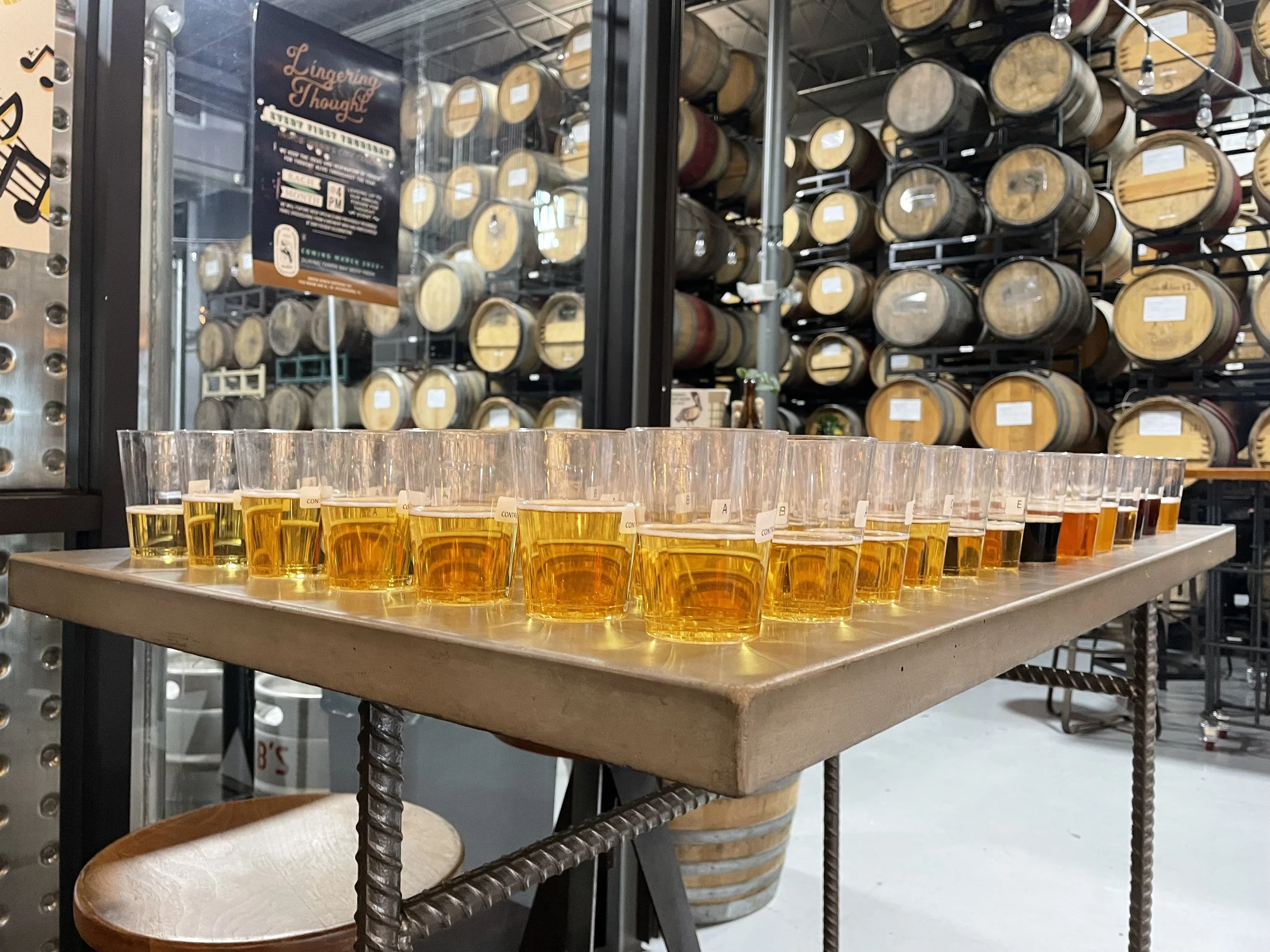
Sensory Method: Sensory Session Calculators
Knowing how much beer to buy and how many cups you’ll need for a beer sensory exercise can be overwhelming. Here you will find calculators for beer volume, cups needed, and more. Great for group beer sensory and beer palate training at home!
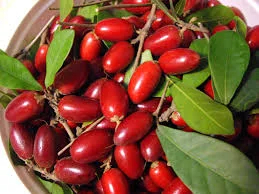
Sensory Exercise: Miracle Berries
Miracle berries are a fun, inexpensive sensory exercise for everyone - no formal palate training or sensory knowledge needed. I often recommend miracle berry tablets to people looking for a quick, pretty low-effort sensory exercise that requires few supplies.
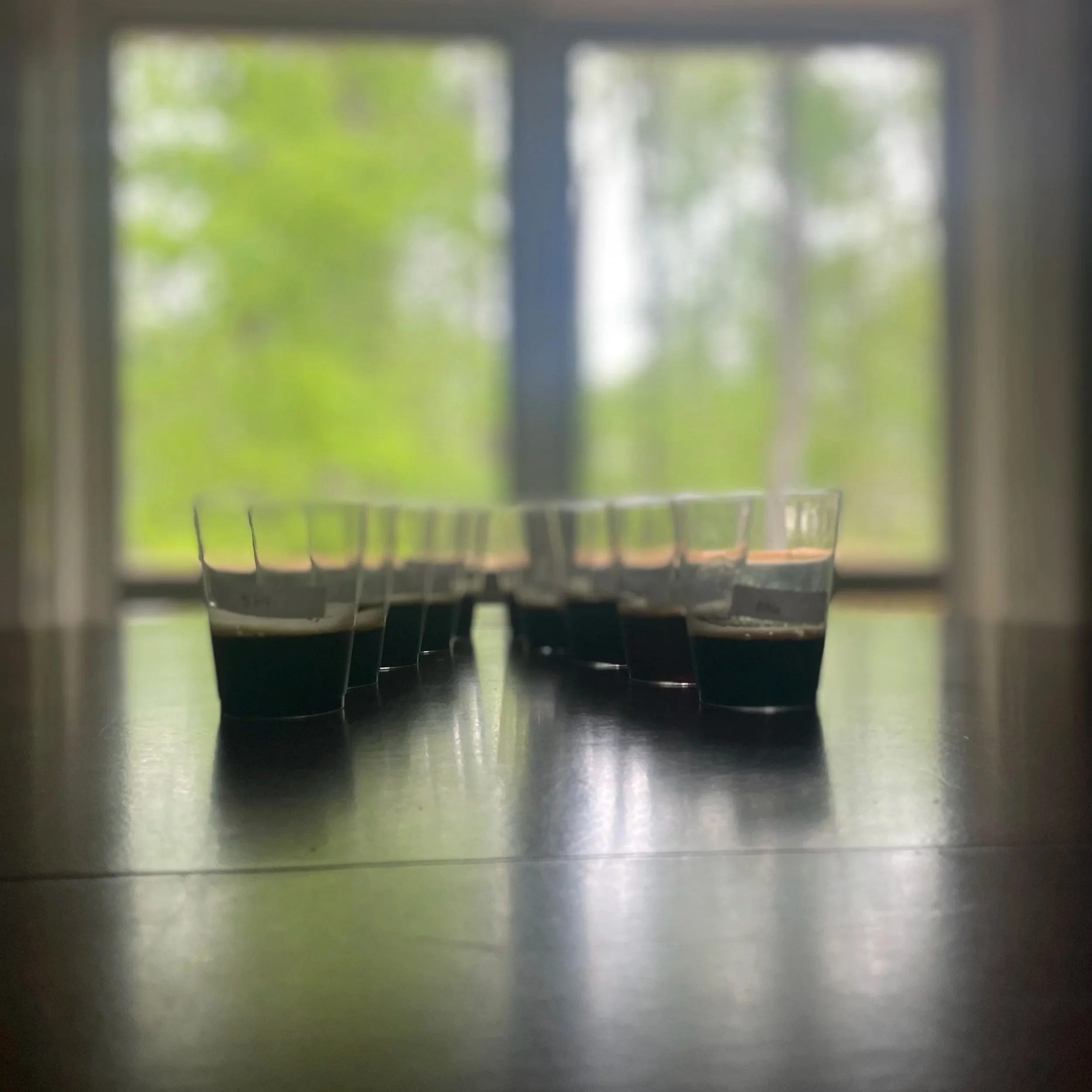
Sensory Exercise: The Jen Blur Method
The Jen Blur Method is a great beer sensory exercise that not only builds your beer style discrimination skills but also helps you become a more confident blind beer taster. The Jen Blur Method can be adapted to varying skill levels, from those looking to train their palates for beer tasting to those preparing for beer exams such as the Cicerone or BJCP tasting exams.
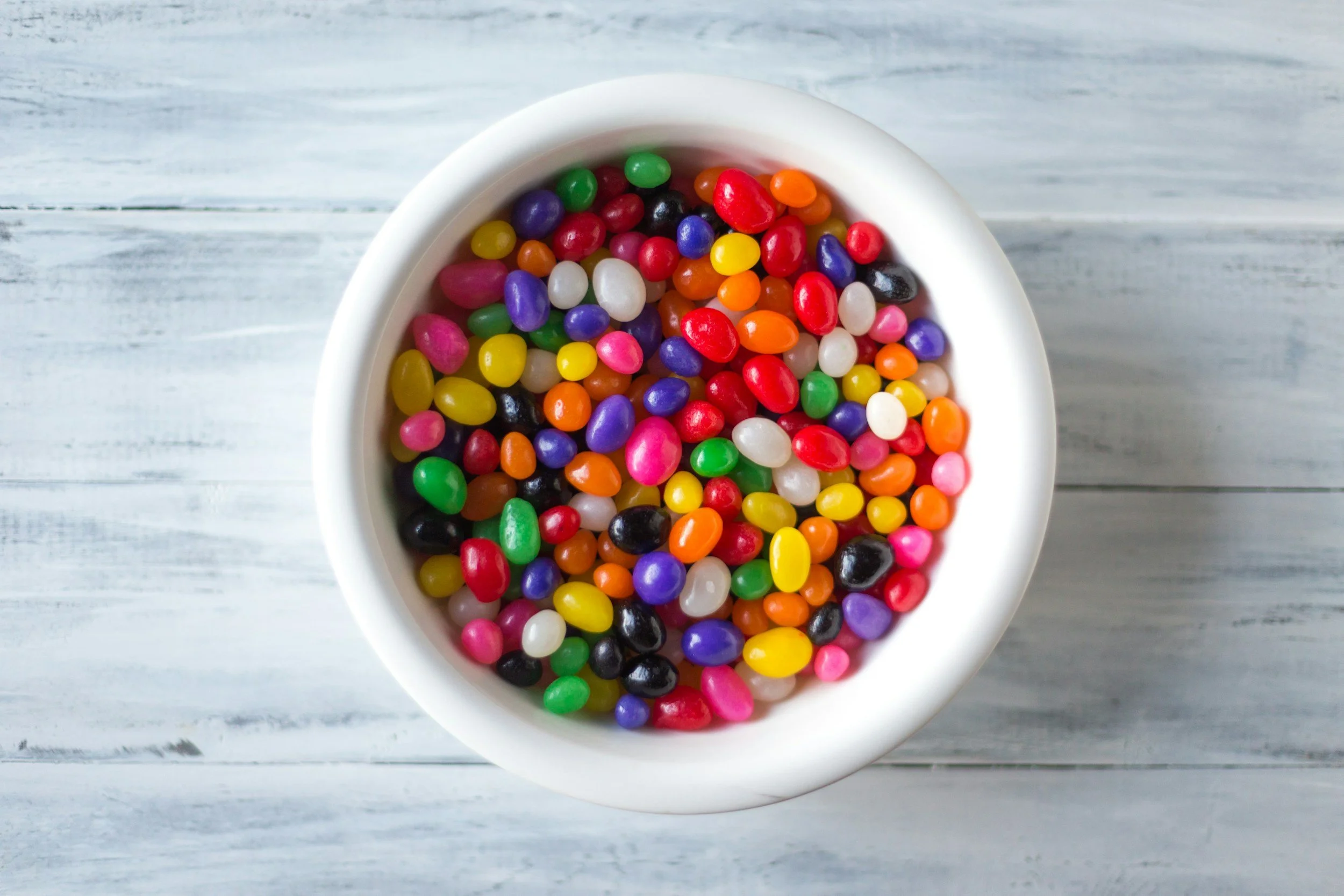
Sensory Exercise: Jelly Bean Test
The jelly bean test is a quick and simple sensory exercise designed to demonstrate the difference between orthonasal and retronasal olfaction. Understanding how orthonasal and retronasal olfaction are different is a foundational key to becoming a better beer taster.
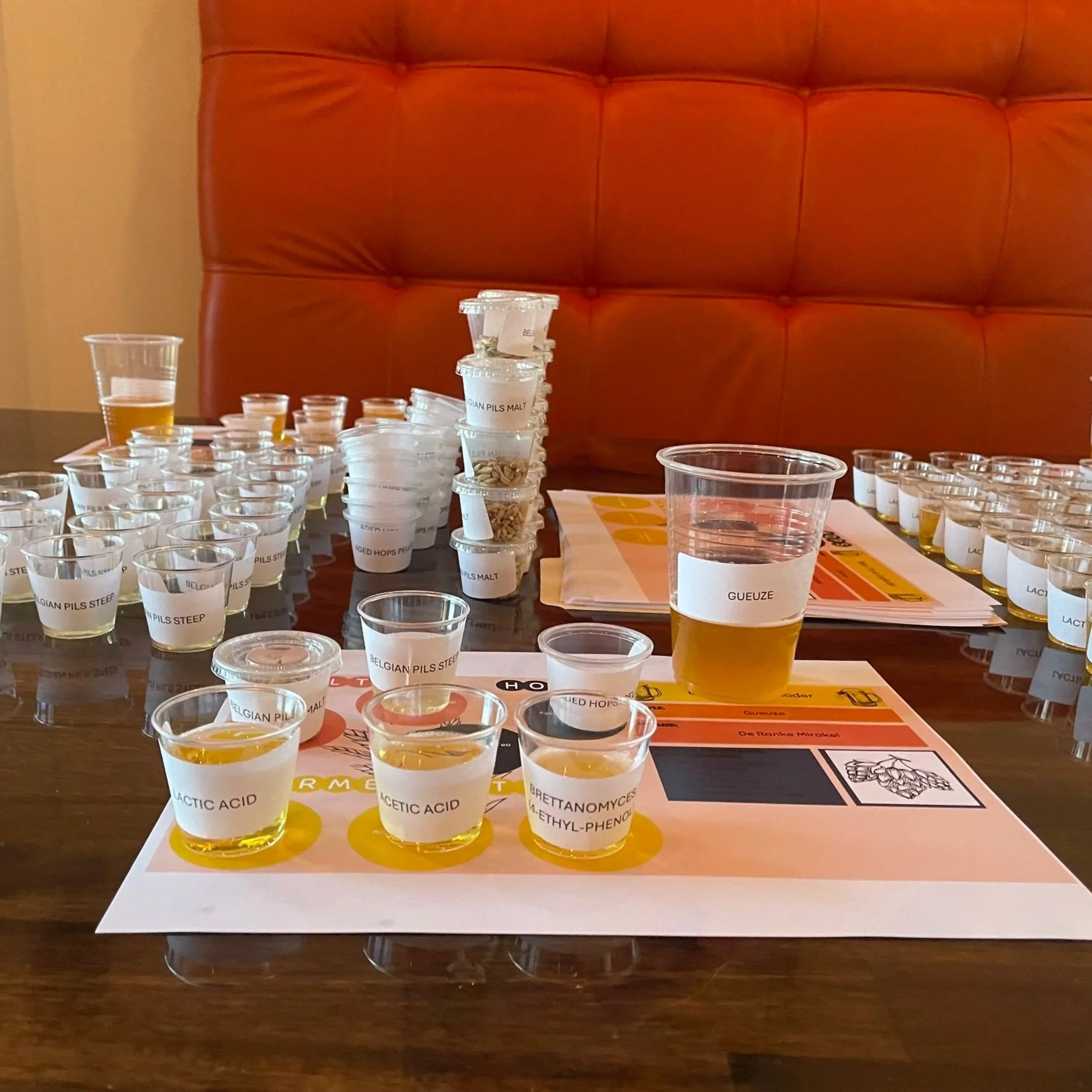
Sensory Exercise: Beer Style Exploder
Tell the story of beer, piece by piece.
The beer style exploder is a sensory exercise designed to give you a deeper understanding of the flavors of individual beer ingredients and how those ingredients come together in the finished beer.
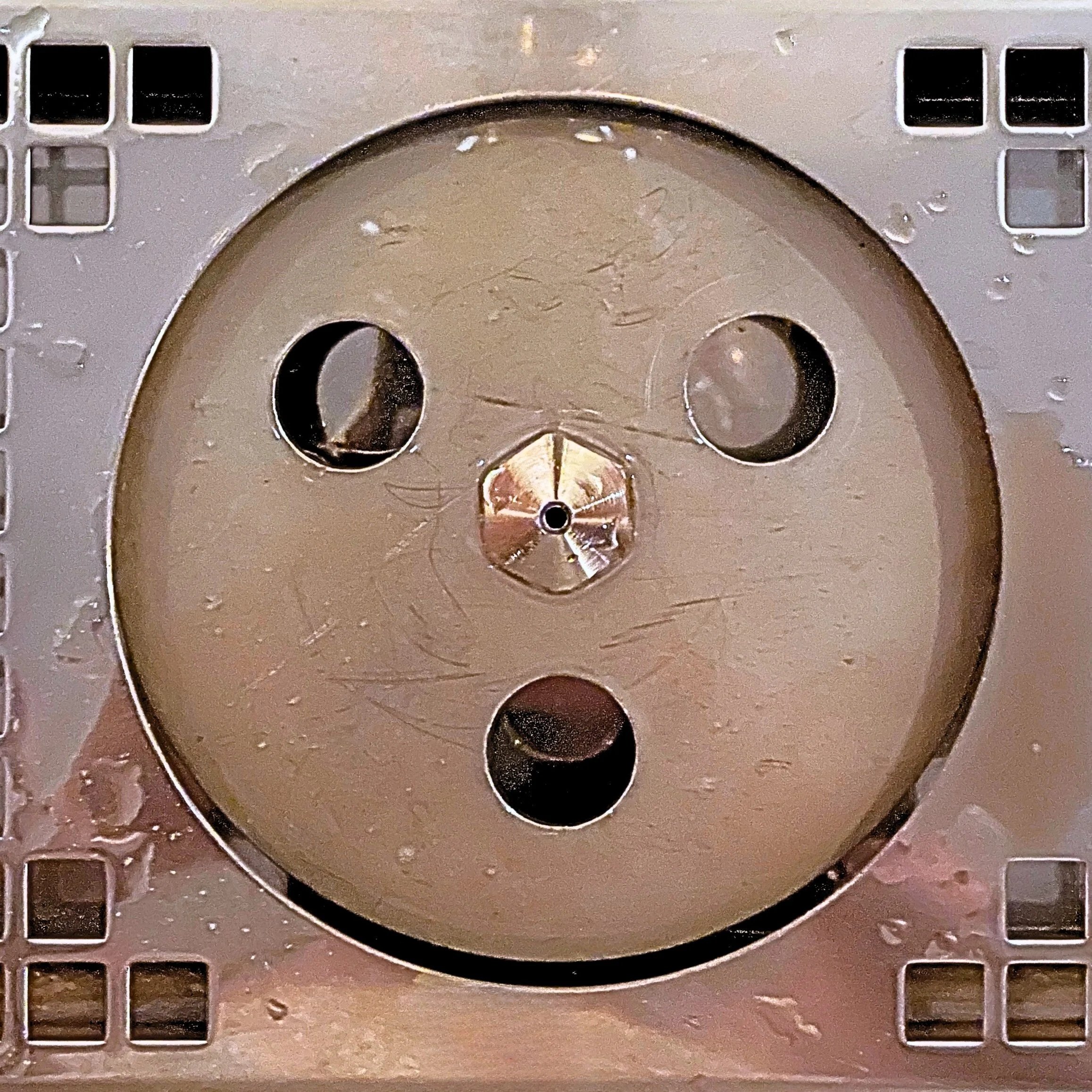
Sensory Exercise: Glass Rinsers
Every glass, every time. Properly cleaned glassware enables properly poured beers. A hallmark of a great beer program is a team that consistently creates and fills beer-clean glasses.
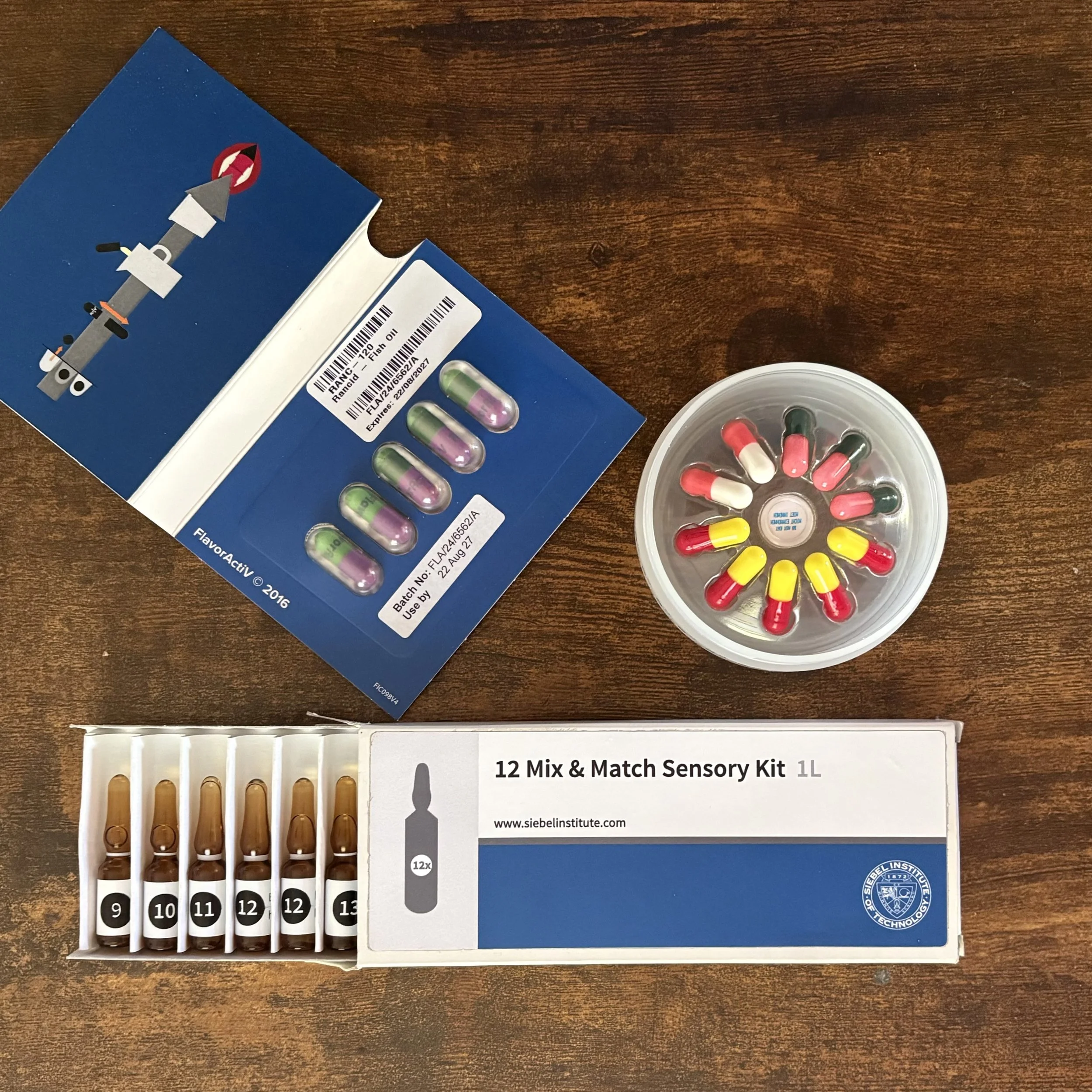
Sensory Best Practices: Preparing Flavor Standards
Flavor standards are a key element in learning to taste beer and improving your beer sensory skills, particularly for identifying off-flavors. However, not all flavor standards are created equal when preparing them. Understanding how to prepare different flavor standards properly will ensure that you are achieving the correct concentration.
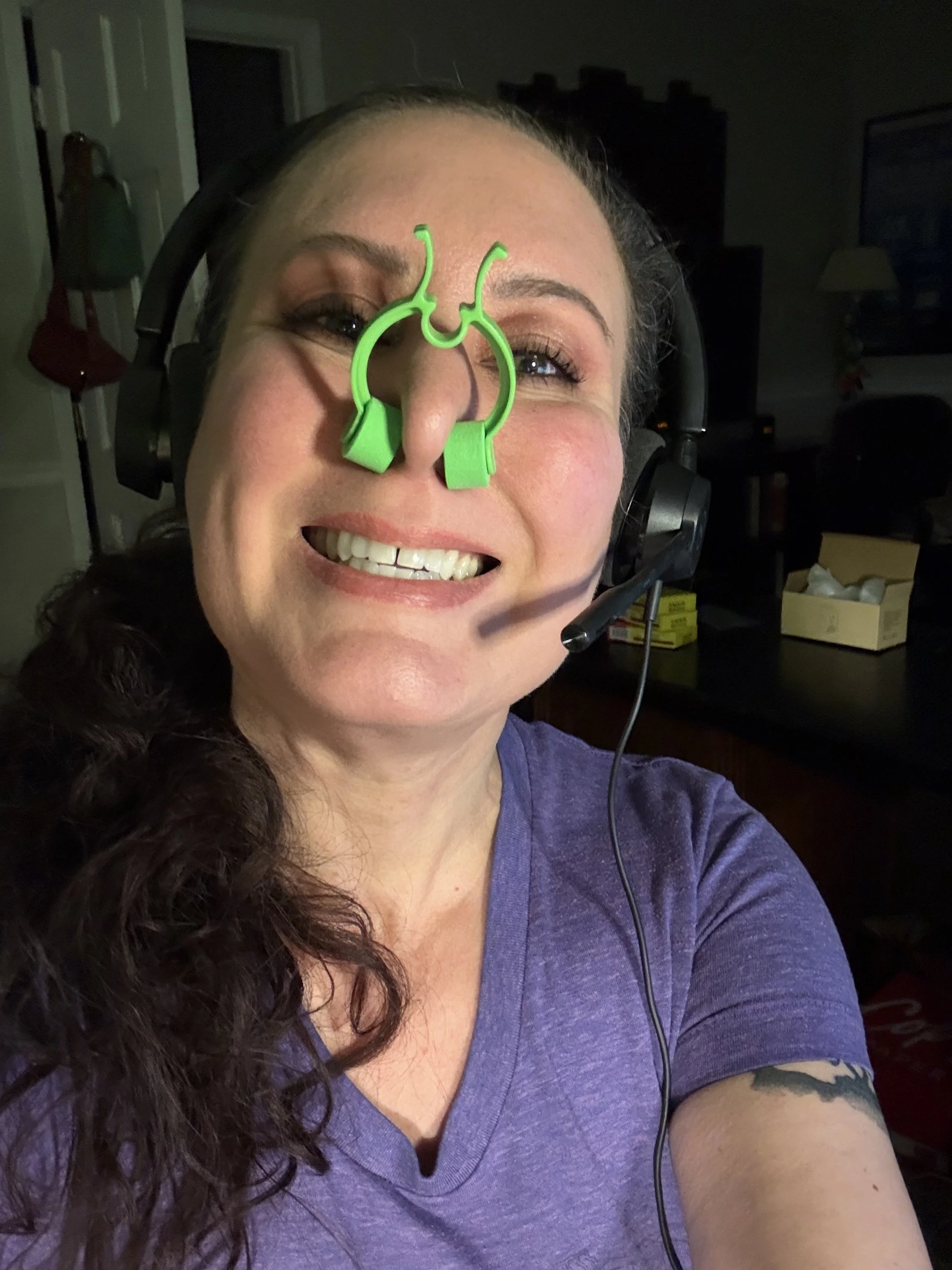
Sensory Best Practices: Clearing Stuffy Noses
Sensory advice for stuffy noses is probably not something a lot of us have thought about. That is, until we have a tasting exam, judging session, or other sensory exercise where we need our noses in tip-top shape. Whether from dryness or sickness, having a stuffy nose and/or clogged sinuses obviously affects your physical and mental ability to evaluate beer. In this post, I’ll talk about steps you can take to prevent or mitigate nasal stuffiness, as well as a couple of sinus-clearing exercises to try when our best efforts fail.
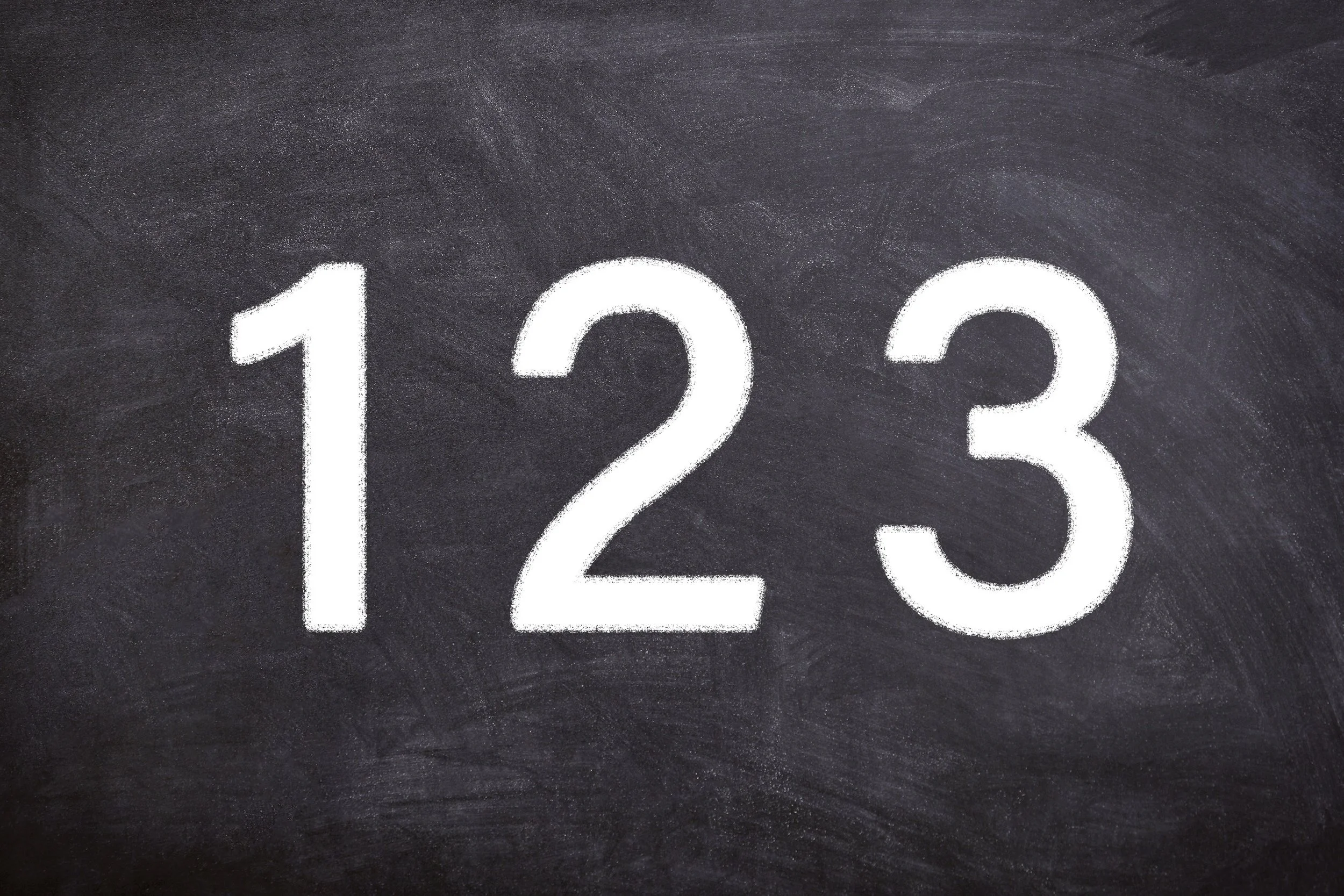
Sensory Best Practices: Random 3-Digit Codes
Using random 3-digit numbers for your beer sensory panels or beer tasting exam practice means that you’re not unconsciously biasing yourself or others. Random 3-digit codes allow for impartial evaluation.
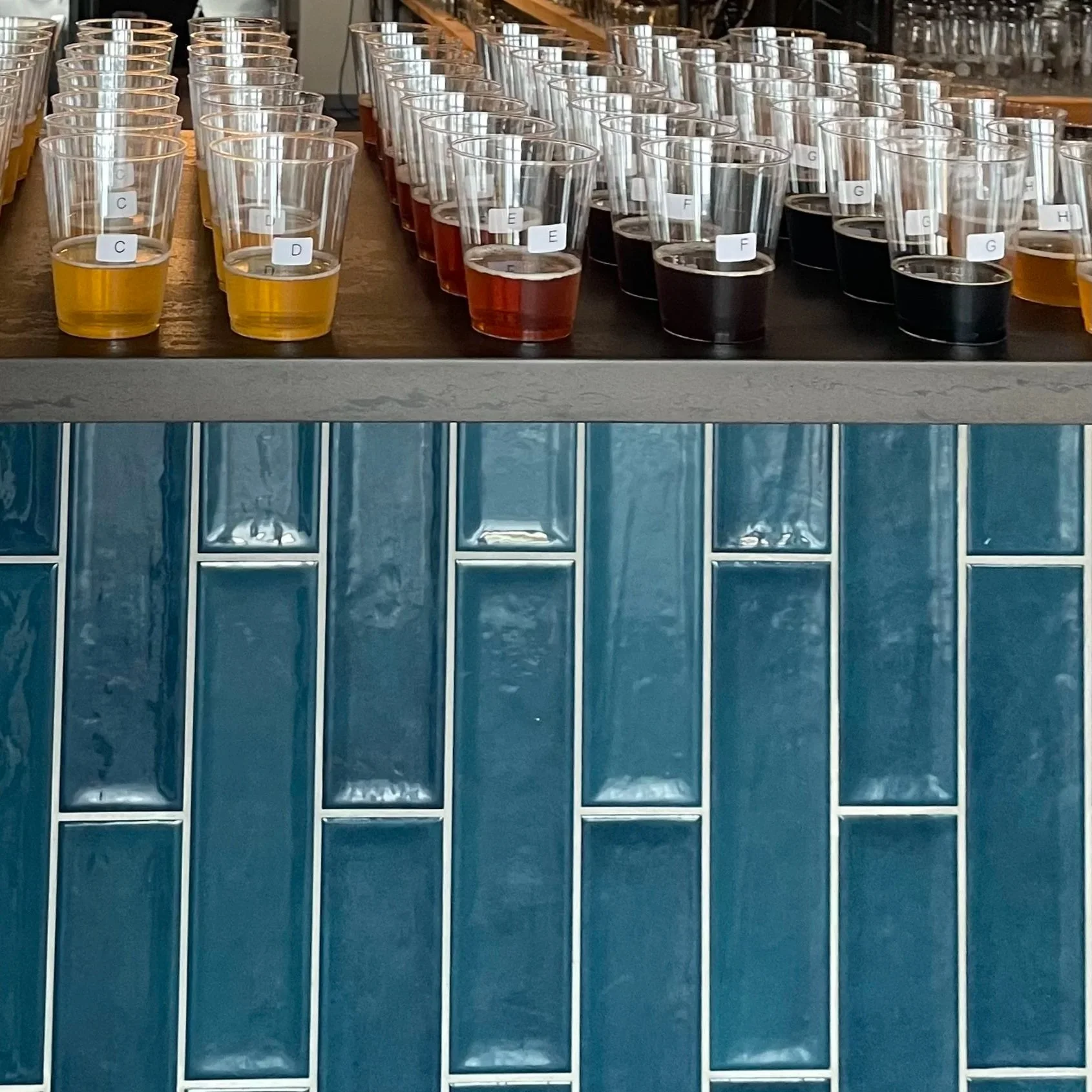
Sensory Best Practices: Cups
Cups are a necessary part of almost every sensory exercise. However, you can’t just grab any cup from the store, taproom, or cabinet. Selecting the proper cups for your sensory exercises is an often neglected element that can have a huge impact on sensory.
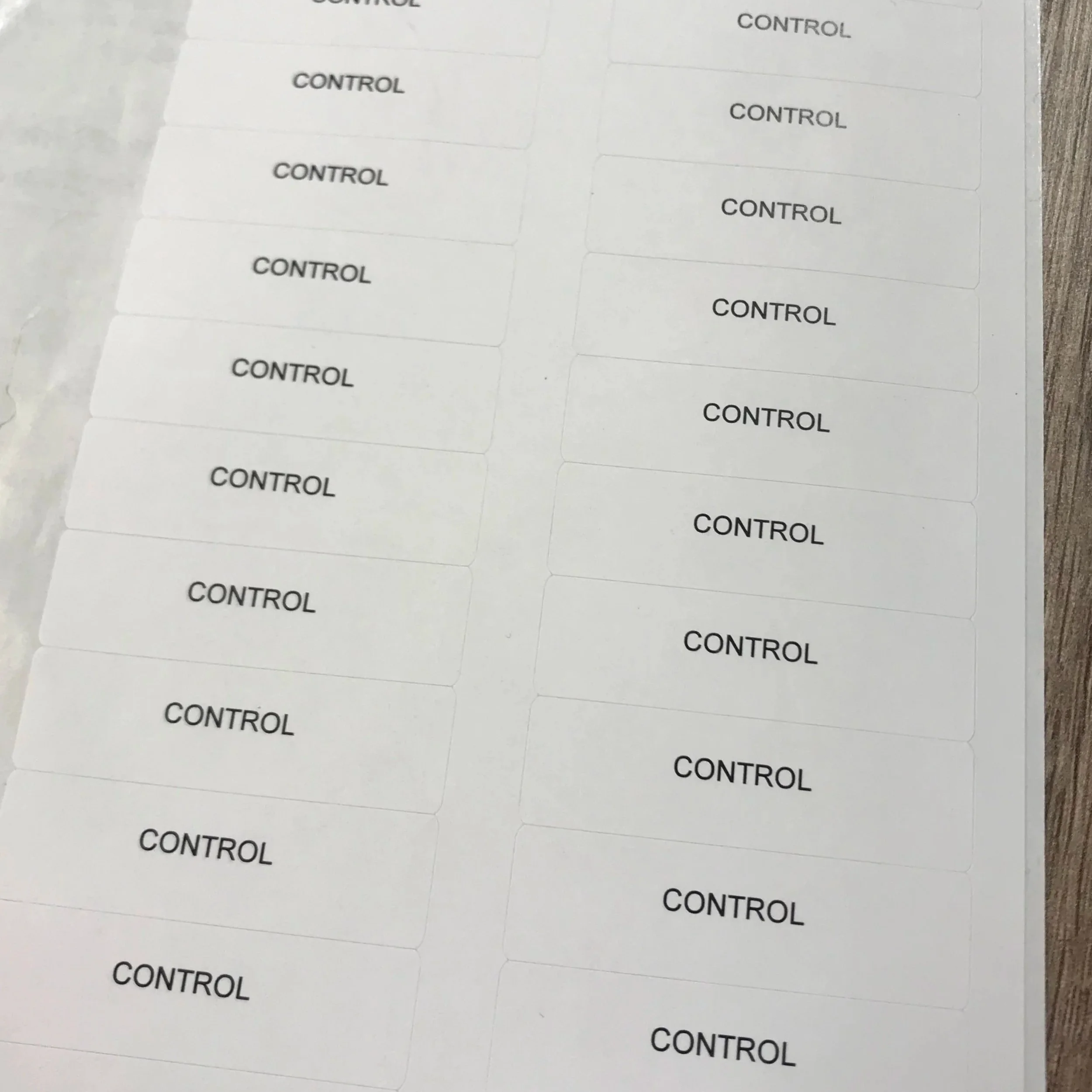
Sensory Best Practices: Labels
Believe me when I tell you that doing the preliminary work of making, printing, and affixing labels to cups and other things is the difference between a well-organized beer sensory session and a confusing mess.
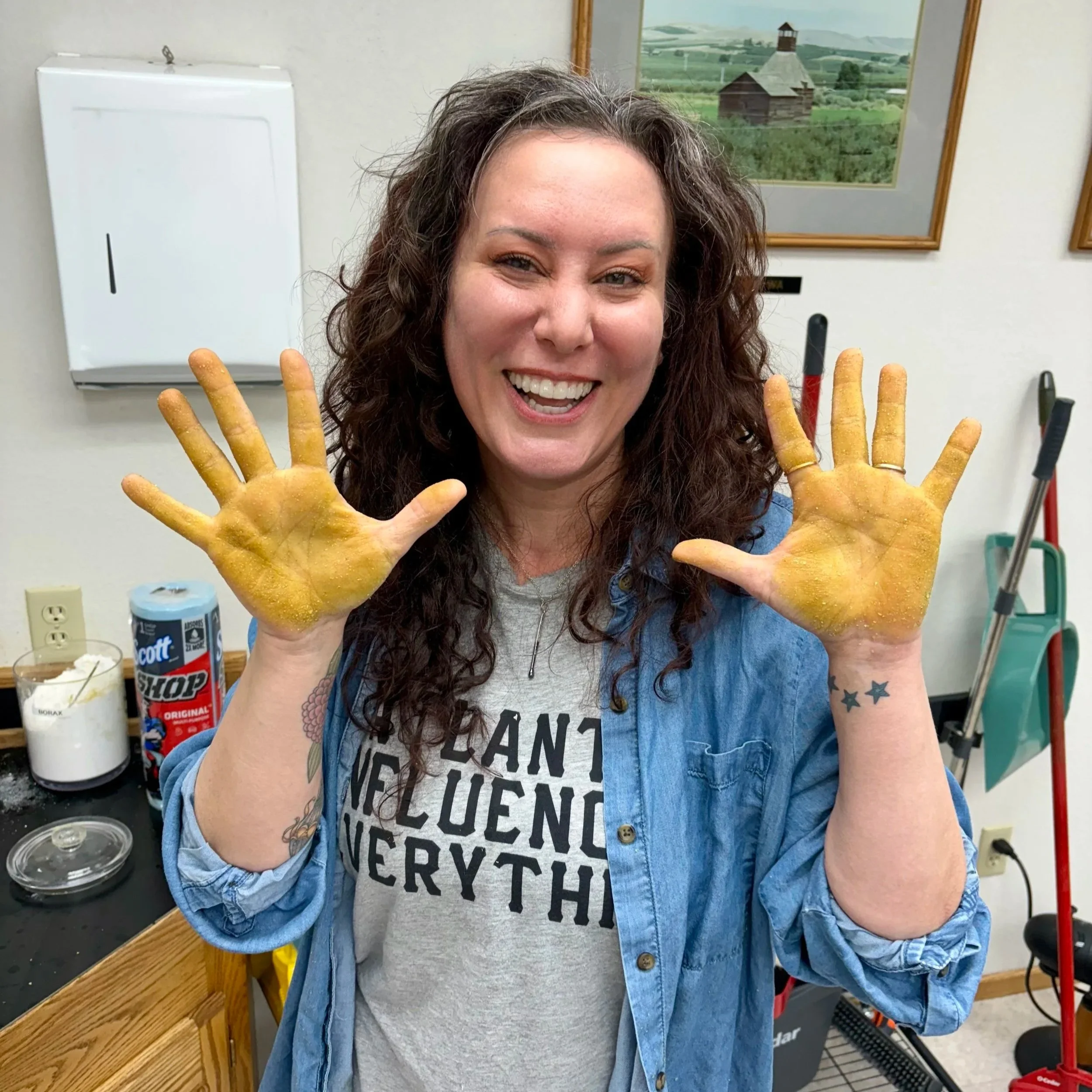
Sensory Method: Hop Rubs
Everyone loves to rub hops. Hop rubs are quick, easy, and messy. Experience beer’s ingredients in as many different forms as possible.
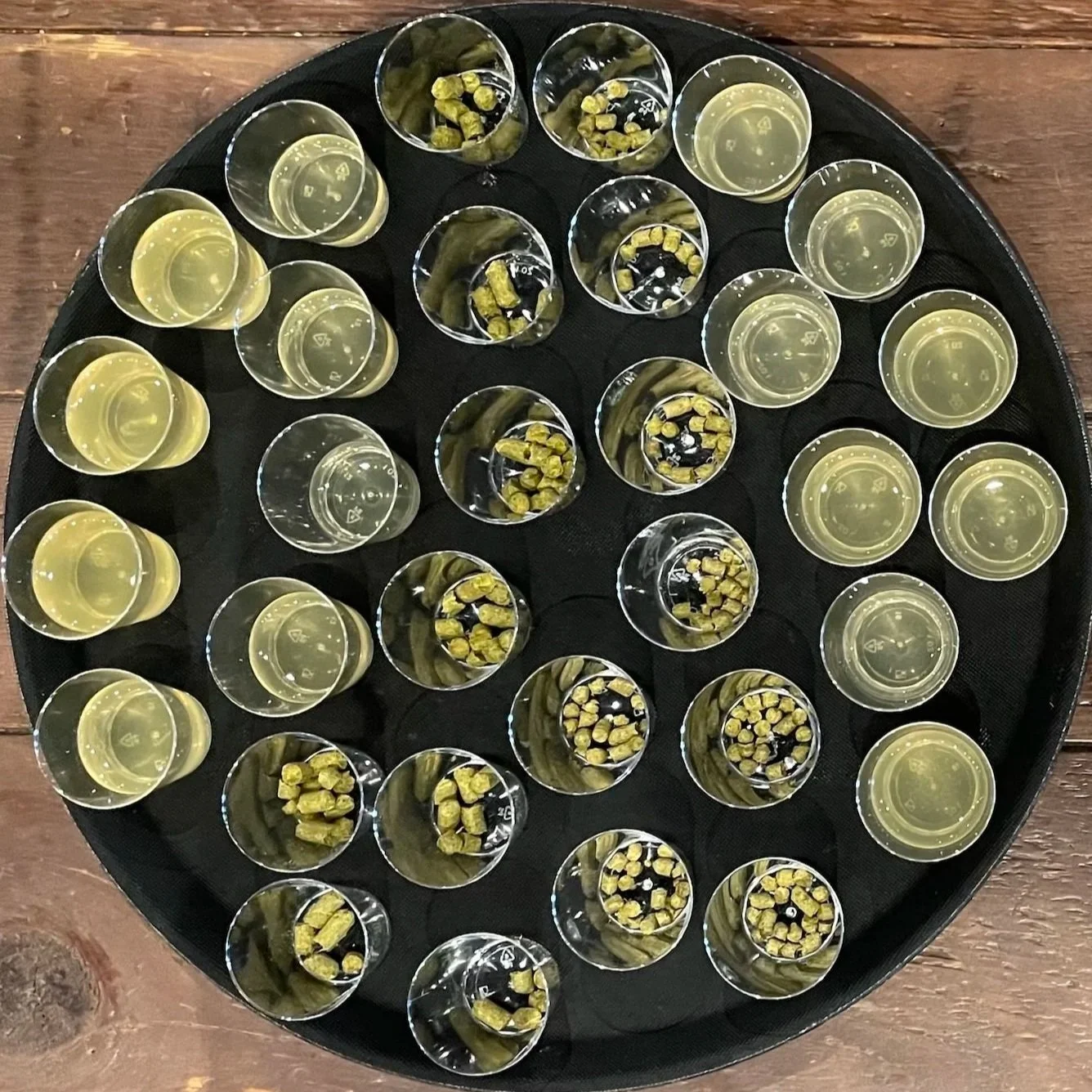
Sensory Method: Hop Tea
The hop tea method is useful to assess the potential dry-hop aroma of hops. For those studying for beer exams with a tasting component, such as Cicerone, BJCP, or WSET, hop teas are a great way to learn more about hop aromas and distinguish among hop varieties.
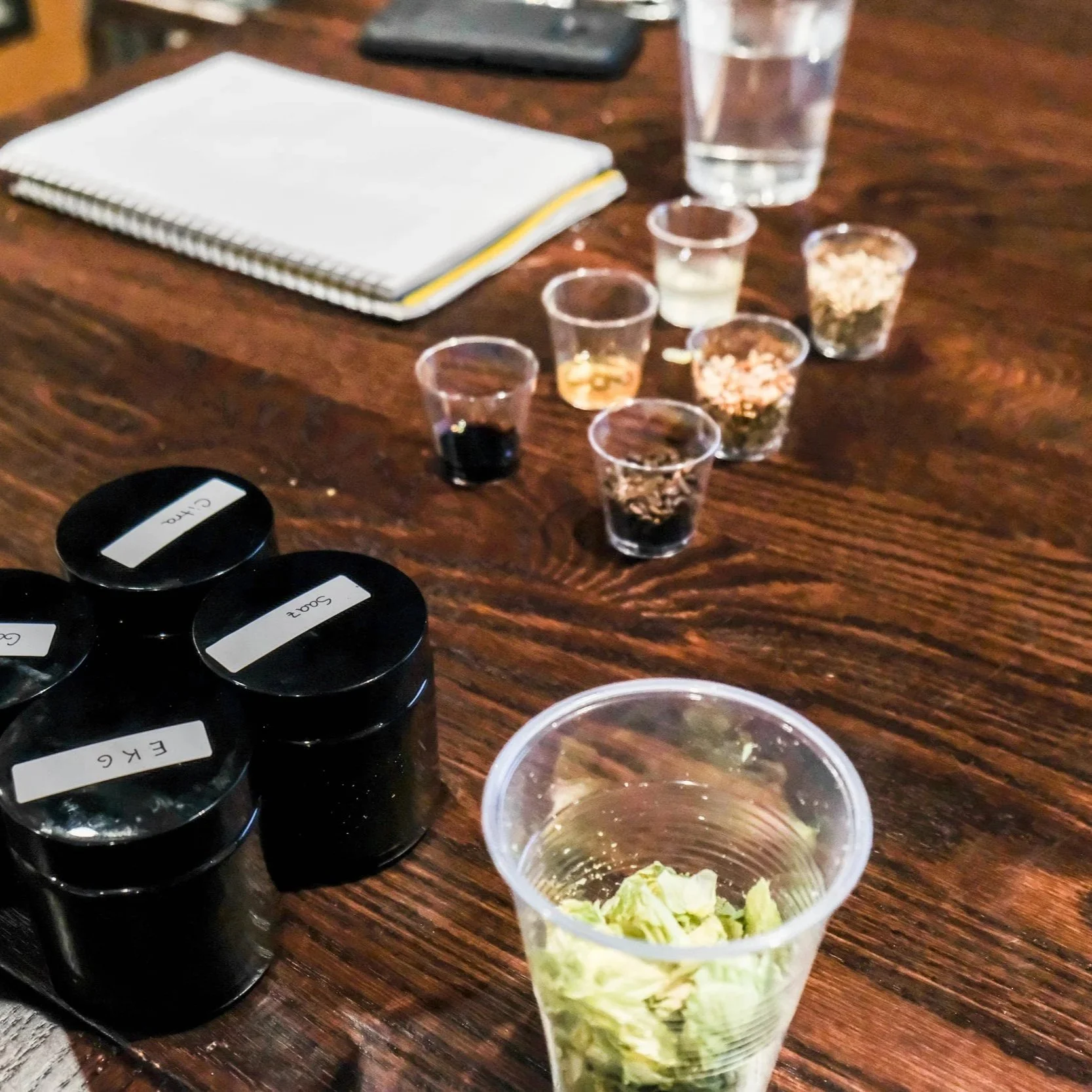
Sensory Method: Hop Grind
The hop grind method is a simple, quick, and repeatable sensory exercise for evaluating hop aroma.
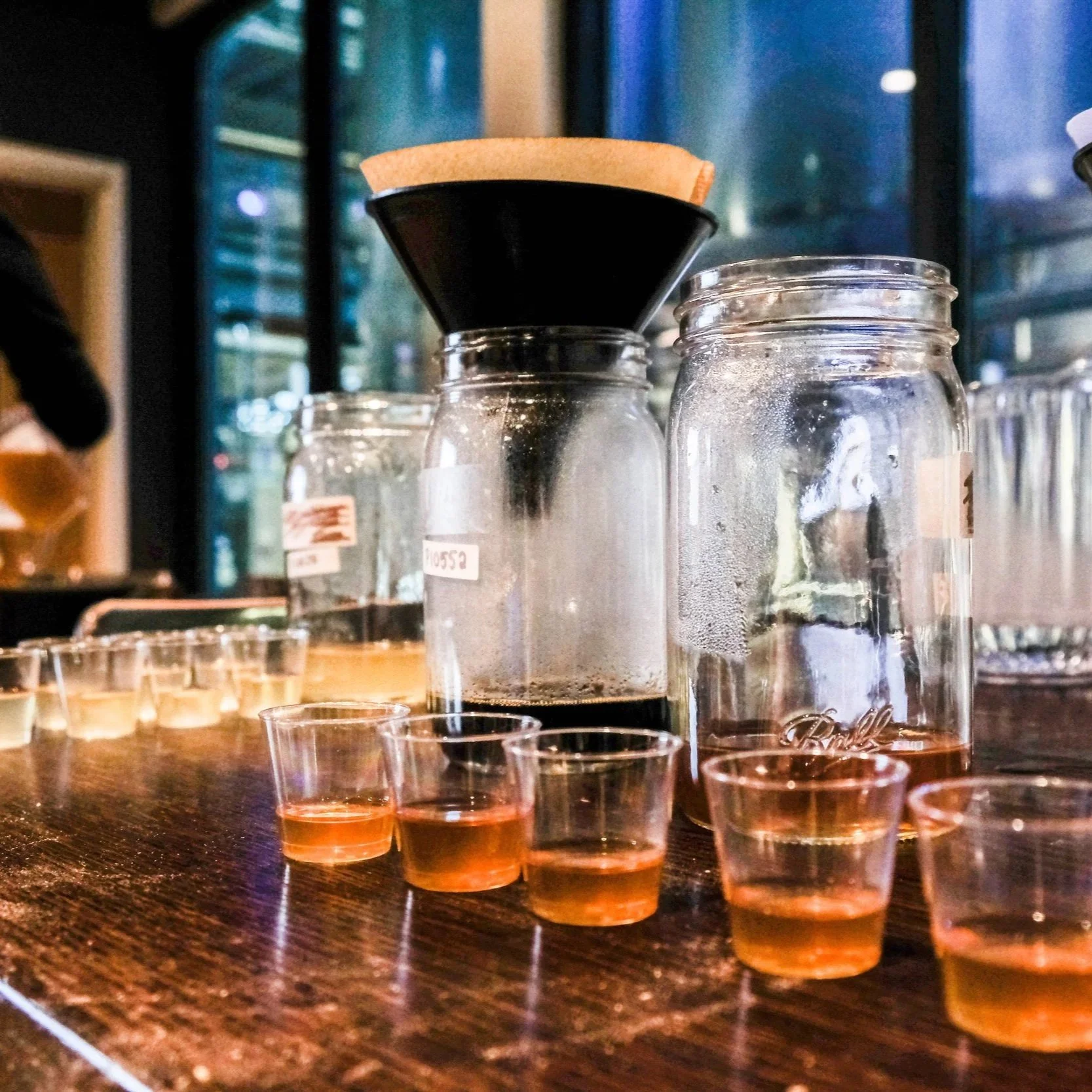
Sensory Method: Malt Hot Steep
The hot steep method for the sensory evaluation of malt and other grains is the best way to learn more about how malt contributes to the finished beer.