
Welcome to Sensory as Strategy
Sensory training is more than memorizing flavor descriptors.
Sensory as Strategy is a growing library of practical exercises, methods, tools, and sensory science designed to help you understand how you perceive beer-and how to develop those skills intentionally.
Whether you’re studying for a beer certification, training a team, looking for a fun homebrew club activity, judging beer, or simply trying to become a more thoughtful taster, you’ll find approachable ways to explore perception, build sensory vocabulary, practice evaluation, and create better sensory sessions.
Inside Sensory as Strategy
Sensory Exercises: Learn by doing
Sensory Methods: Explore evaluation techniques
Sensory Best Practices: Set up better, more reliable sessions
Sensory Bias: Discover what shapes your perception
Sensory Tools: Put sensory knowledge into practice.
Sensory Science: Understand what your brain and senses are actually doing
Unlock Sensory as Strategy.
Monthly Access — $10/month
Flexible access to all premium content. Ideal if you want to start small or stay flexible.
Annual Access — $99/year (Best Value)
Full year of access for less. Includes all updates, posts, and resources with maximum savings.
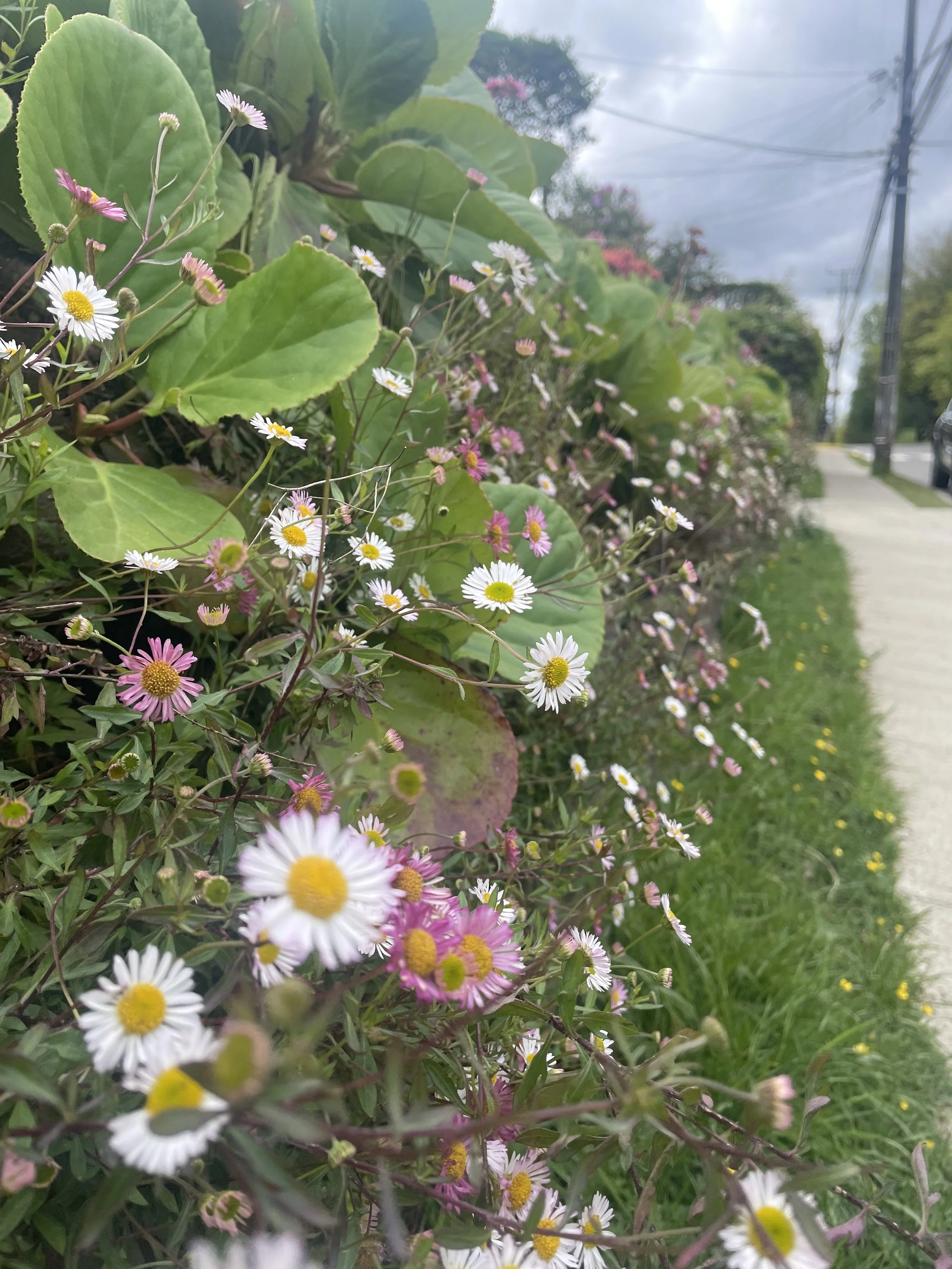
Sensory Exercise: Descriptor Sprint
How many sensory descriptors can you name in three minutes? This quick exercise uses retrieval practice to build a more accessible flavor vocabulary.
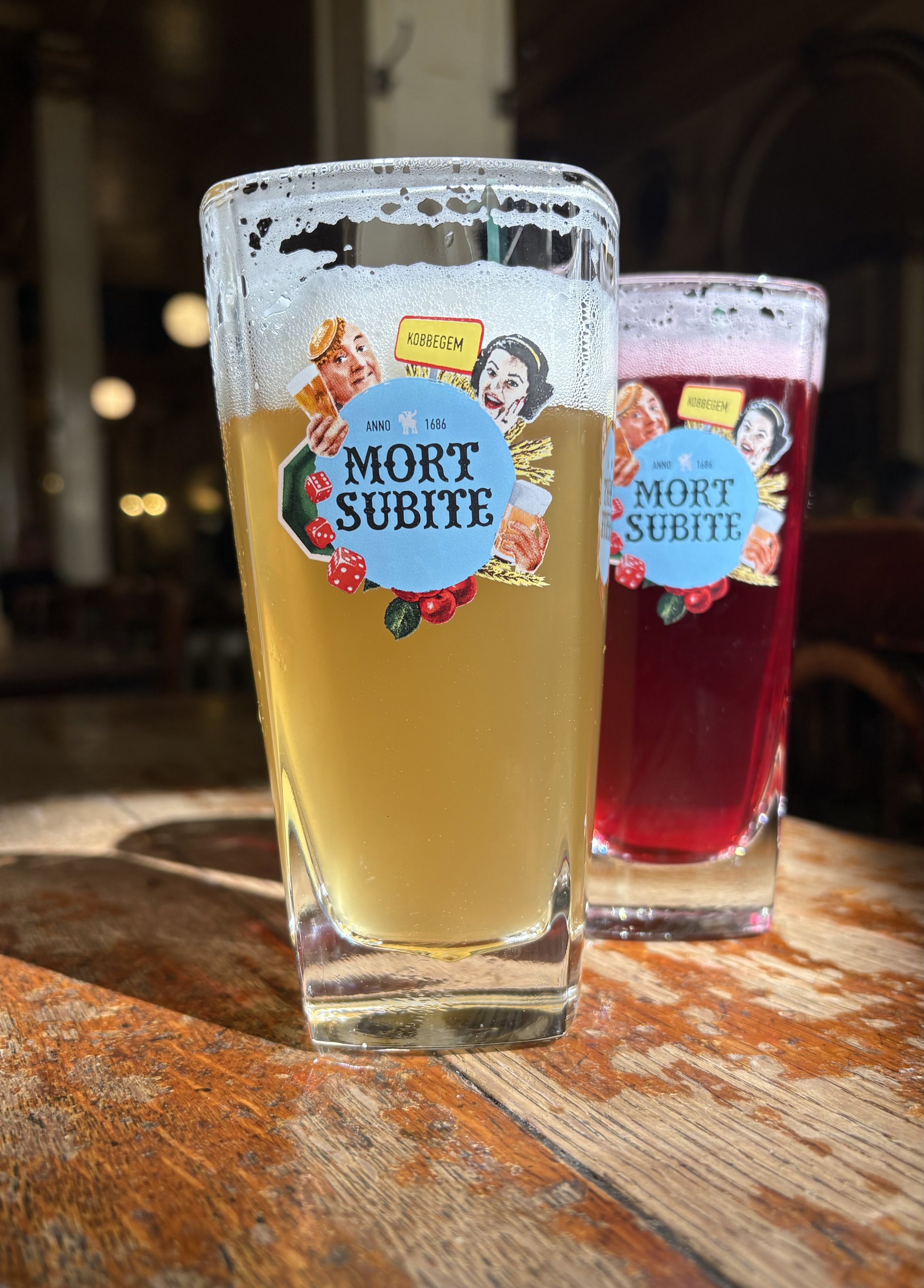
Sensory Bias: Logical Error
What happens when what you expect to perceive starts shaping what you actually report? Logical error occurs when sensory evaluators assume that two characteristics must go together—sweet means fruity, dark means malty, bitter means hoppy. Learn how these mental shortcuts influence sensory evaluation and how to separate what you perceive from what you merely expect to be there.
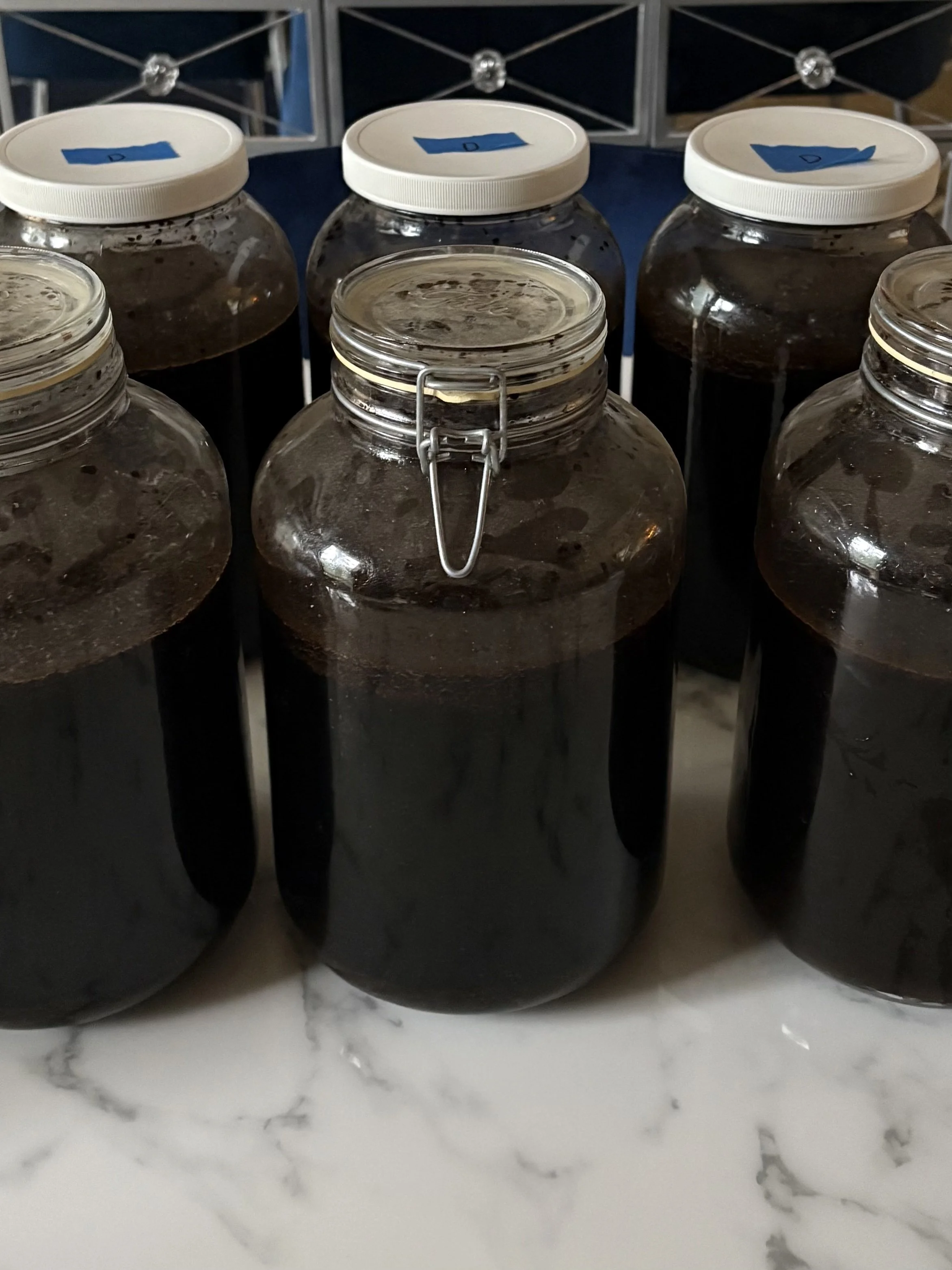
Sensory Method: Cold Water Steep for Dark Grains
Okay, technically, this is a brewing technique and not a sensory technique. However, it is also an effective method for preparing malt steeps from dark grains, especially for a large group.
The cold water extraction technique was developed in the early 2000s by Mary Anne Gruber during her time as the Director of Technical Services for Briess Malting Company.
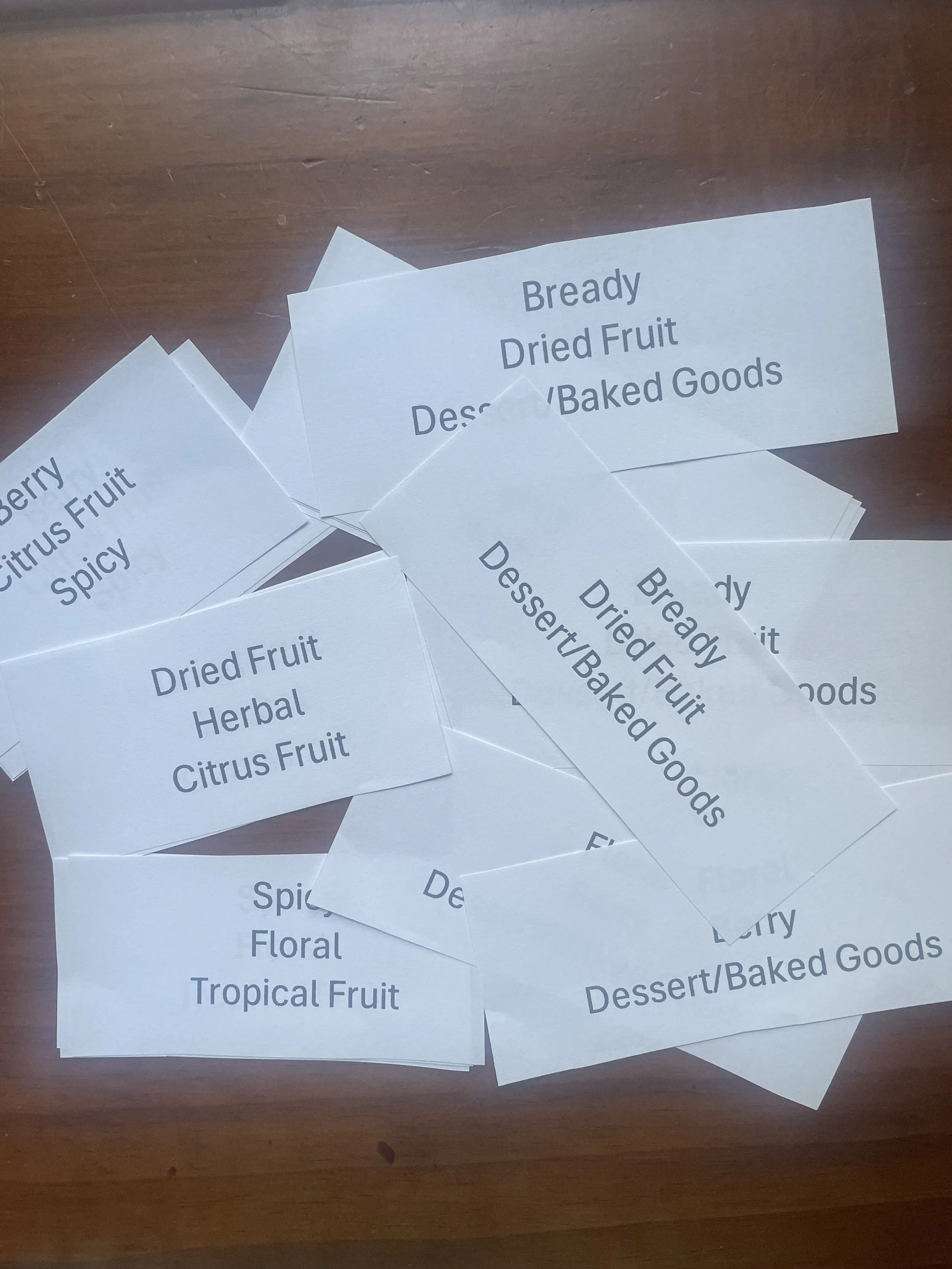
Sensory Exercise: Vague to Vivid
The Vague to Vivid exercise is a fun and easy sensory exercise for a variety of group sizes and skill levels.
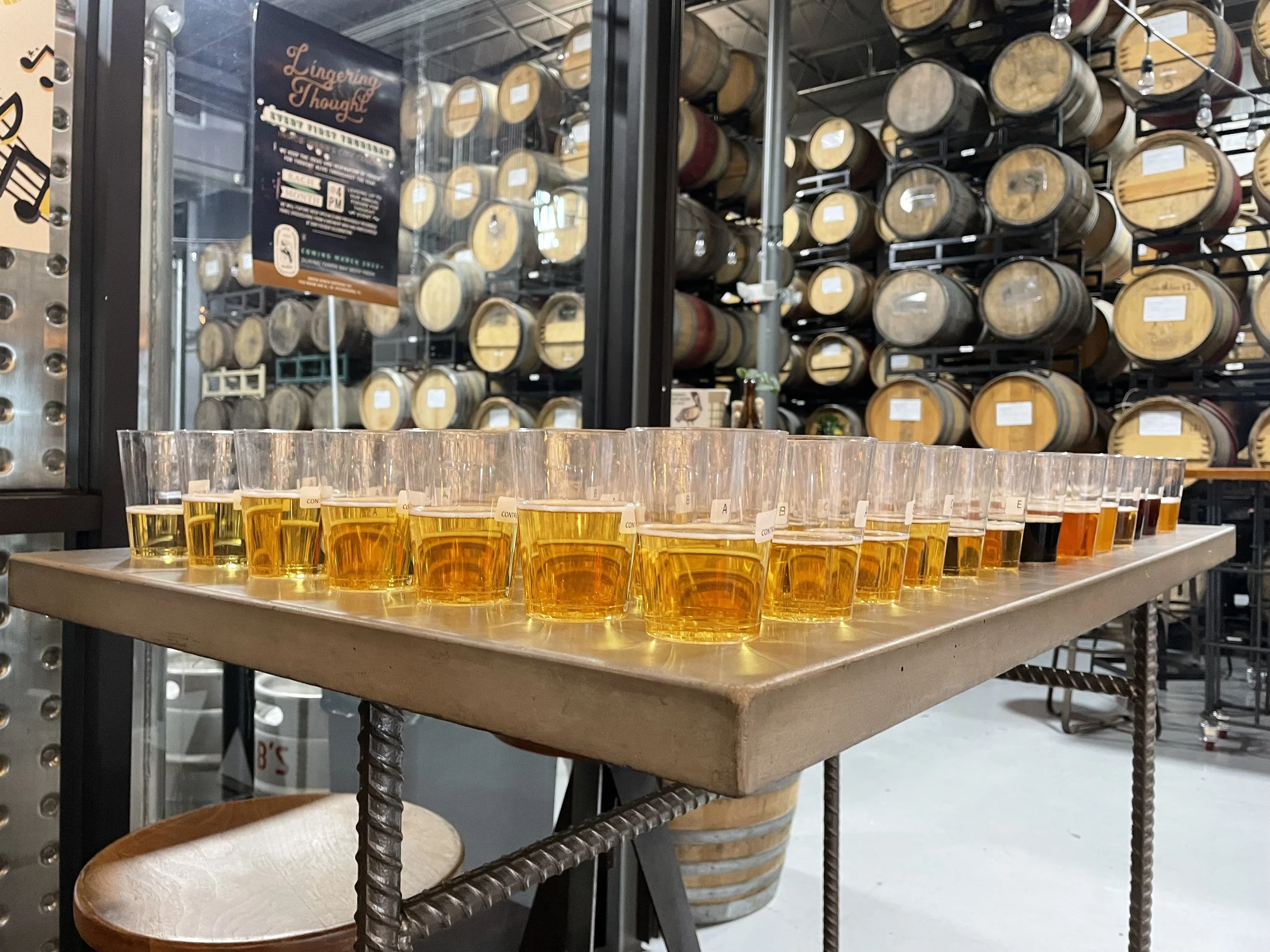
Sensory Tool: Sensory Session Calculator
Knowing how much beer to buy and how many cups you’ll need for a beer sensory exercise can be overwhelming. Here you will find calculators for beer volume, cups needed, and more. Great for group beer sensory and beer palate training at home!
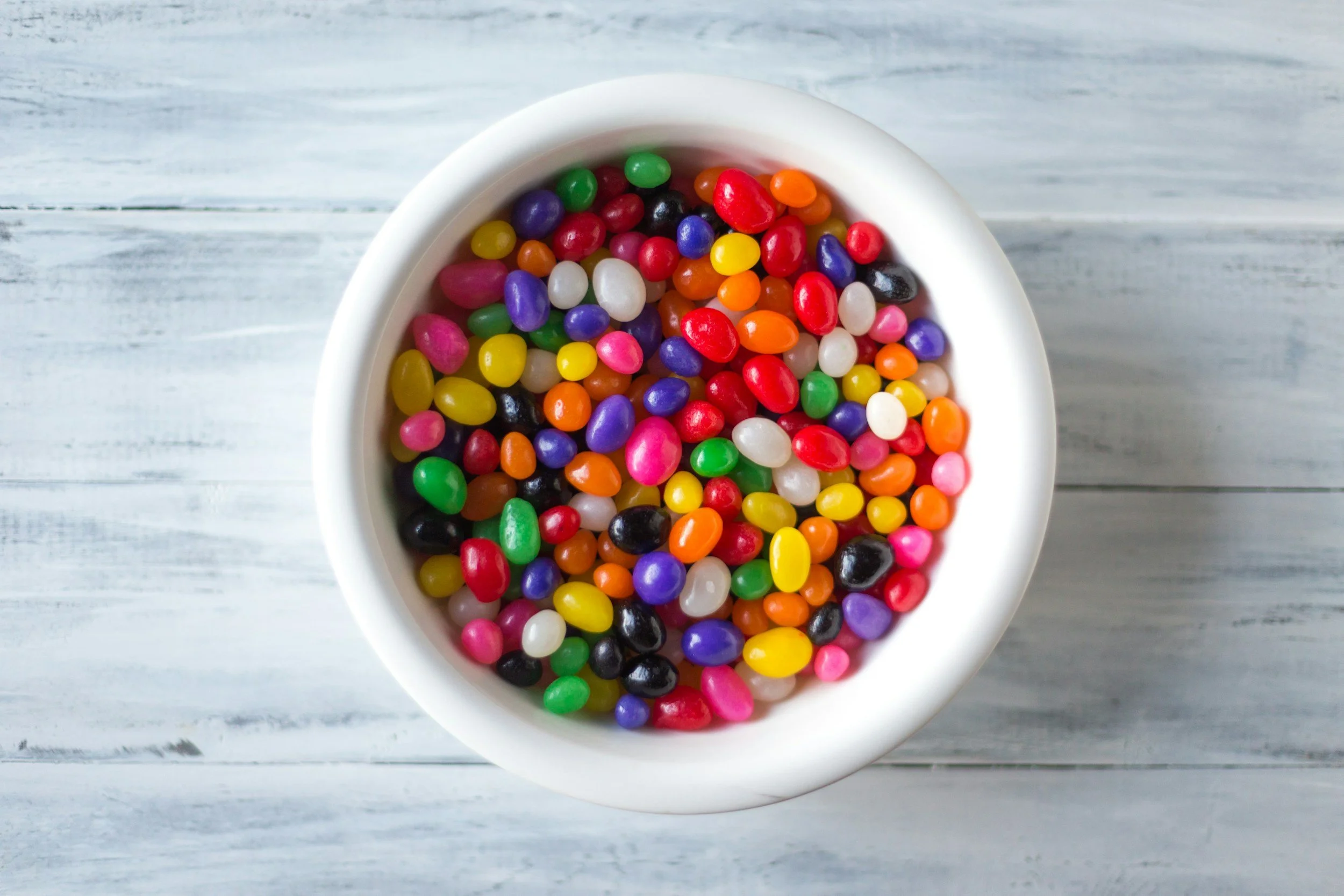
Sensory Exercise: Jelly Bean Test
The jelly bean test is a quick and simple sensory exercise designed to demonstrate the difference between orthonasal and retronasal olfaction. Understanding how orthonasal and retronasal olfaction are different is a foundational key to becoming a better beer taster.
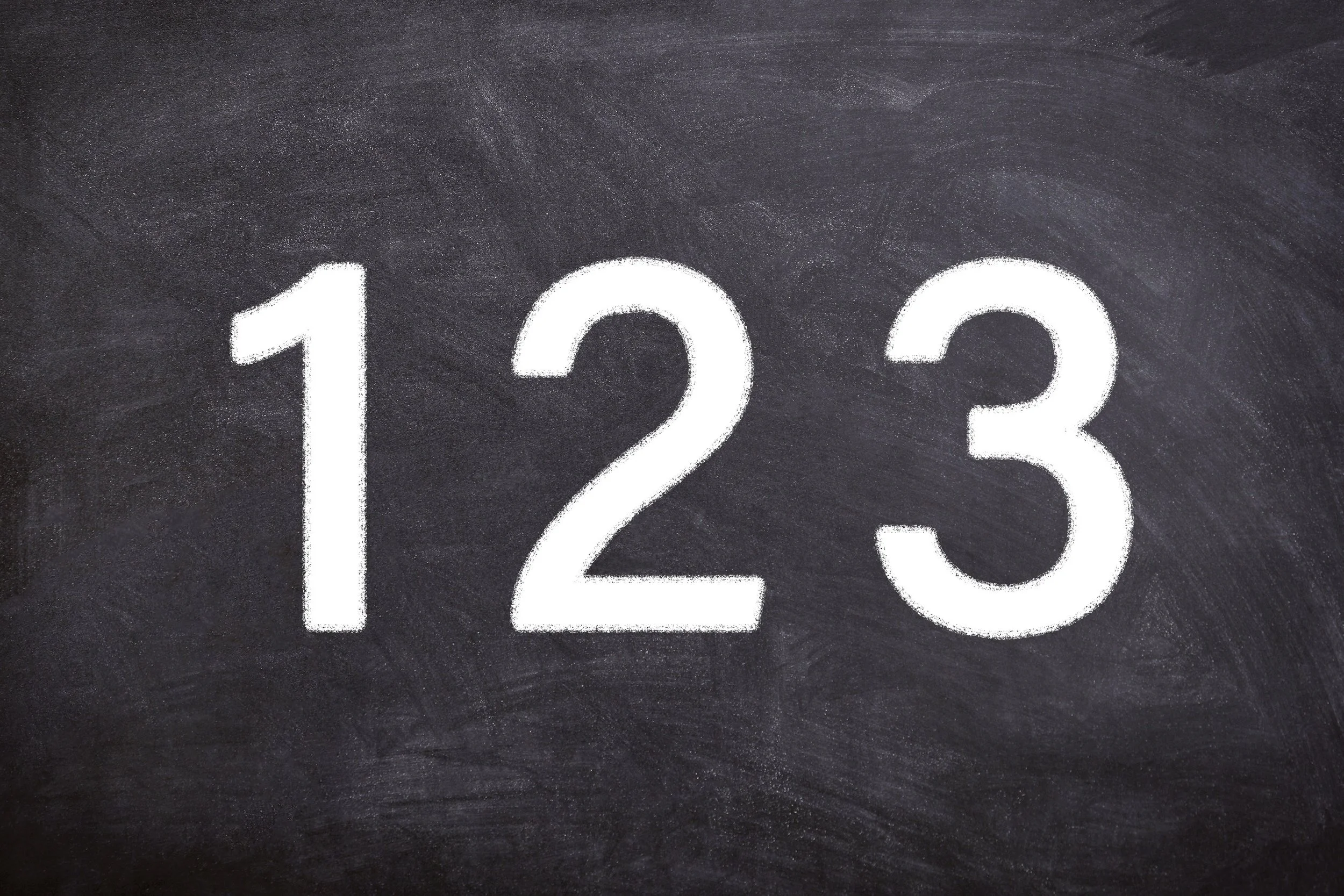
Sensory Best Practices: Random 3-Digit Codes
Using random 3-digit numbers for your beer sensory panels or beer tasting exam practice means that you’re not unconsciously biasing yourself or others. Random 3-digit codes allow for impartial evaluation.
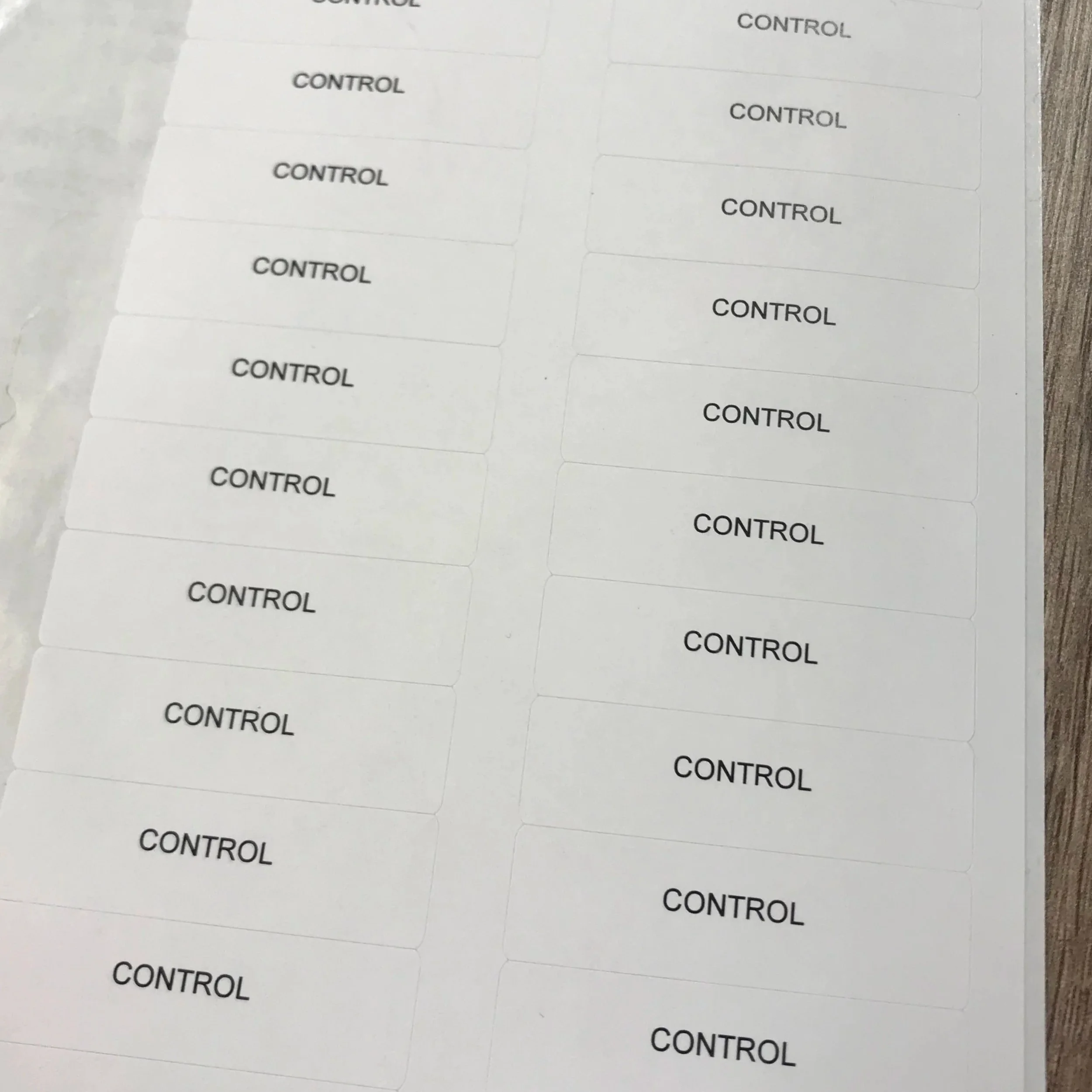
Sensory Best Practices: Labels
Believe me when I tell you that doing the preliminary work of making, printing, and affixing labels to cups and other things is the difference between a well-organized beer sensory session and a confusing mess.
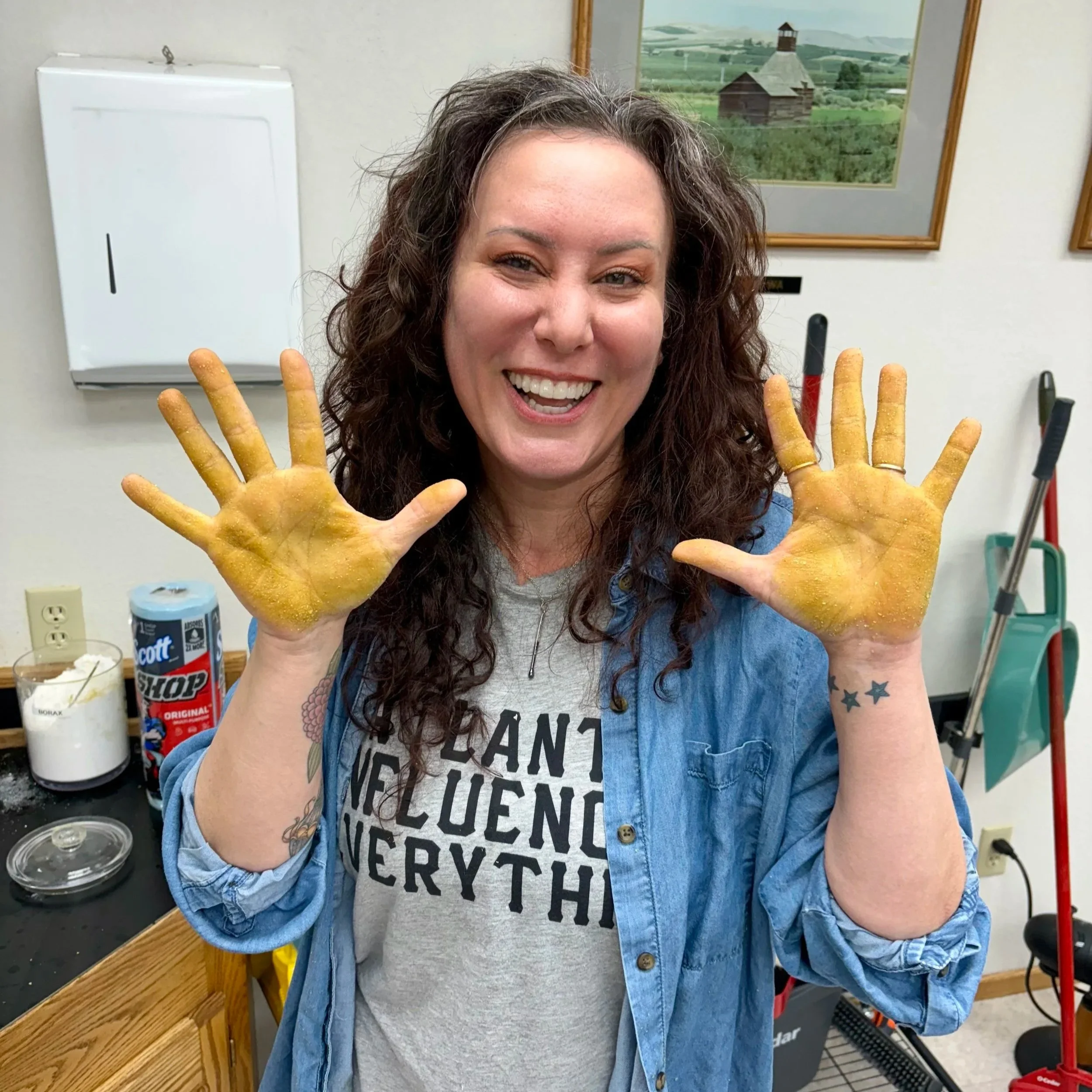
Sensory Method: Hop Rubs
Everyone loves to rub hops. Hop rubs are quick, easy, and messy. Experience beer’s ingredients in as many different forms as possible.
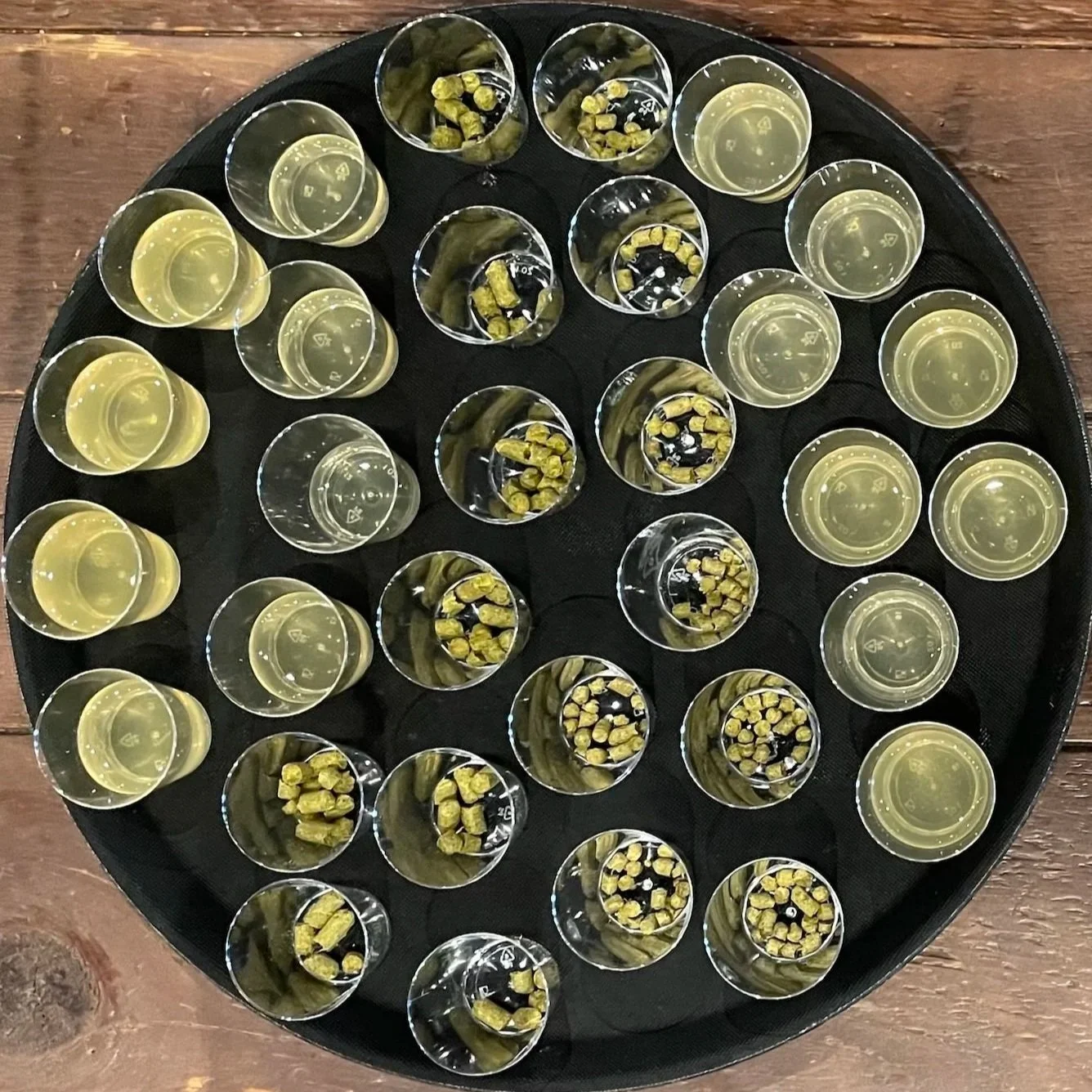
Sensory Method: Hop Tea
The hop tea method is useful to assess the potential dry-hop aroma of hops. For those studying for beer exams with a tasting component, such as Cicerone, BJCP, or WSET, hop teas are a great way to learn more about hop aromas and distinguish among hop varieties.
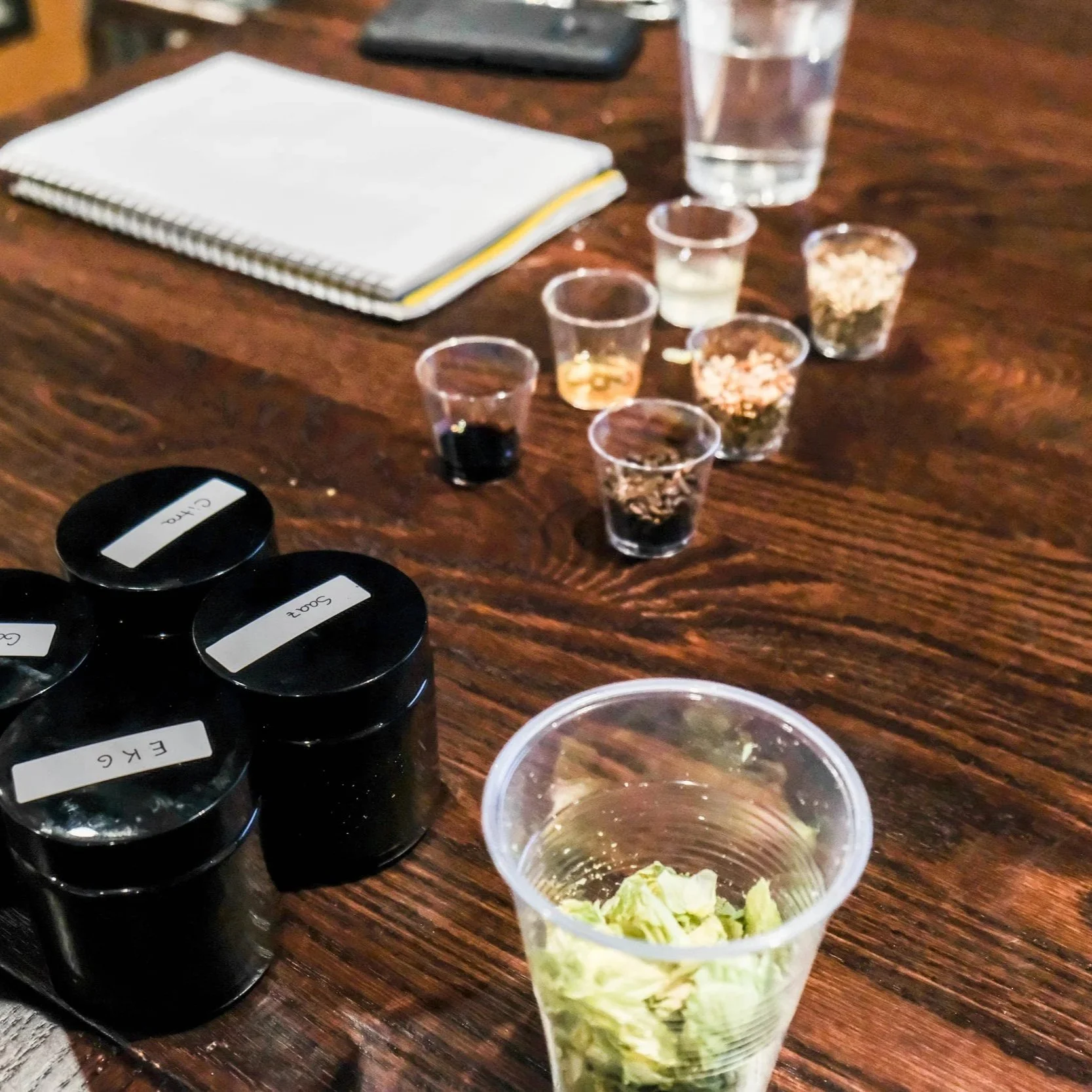
Sensory Method: Hop Grind
The hop grind method is a simple, quick, and repeatable sensory exercise for evaluating hop aroma.
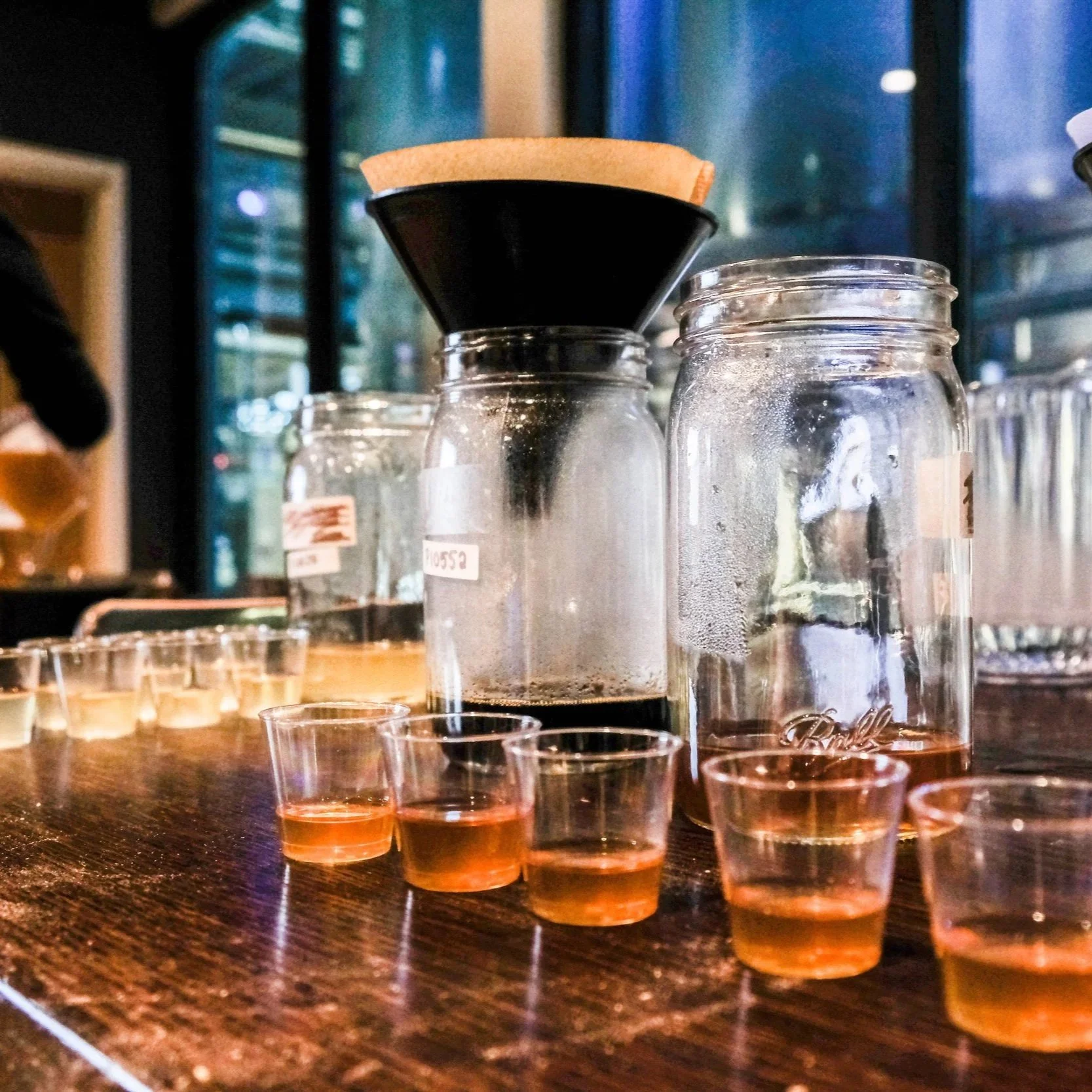
Sensory Method: Malt Hot Steep
The hot steep method for the sensory evaluation of malt and other grains is the best way to learn more about how malt contributes to the finished beer.